






































Beyond Screen Time: Why Purpose and Narrative Value Dictate Parichay Sharma’s Character Choices
Television performer Parichay Sharma unpacks his foundational rules for selecting impactful roles, using social media as a tool to bypass rigid industry typecasting, and balancing mainstream theatrical blockbusters with content-driven digital narratives.
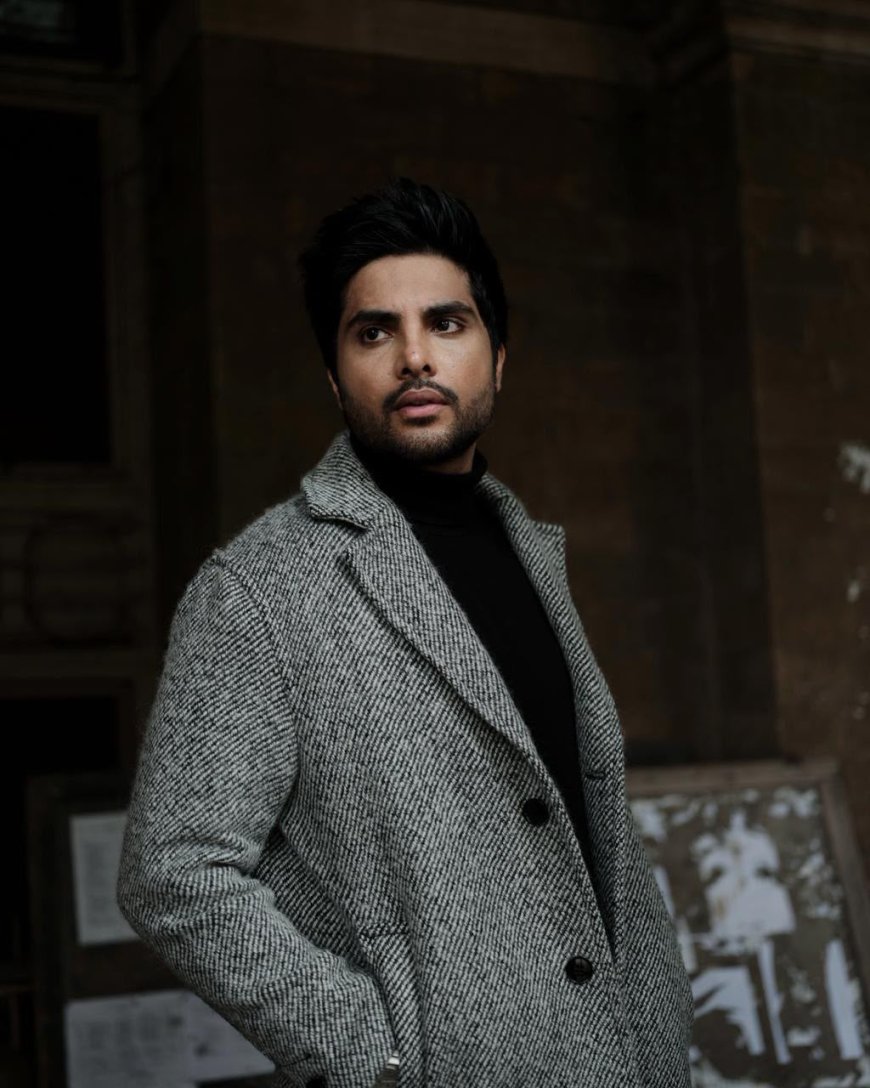
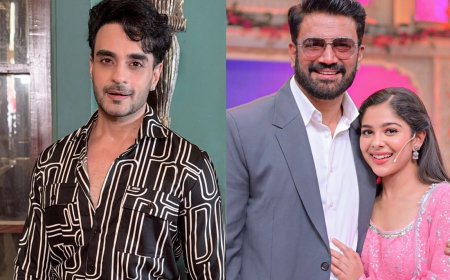
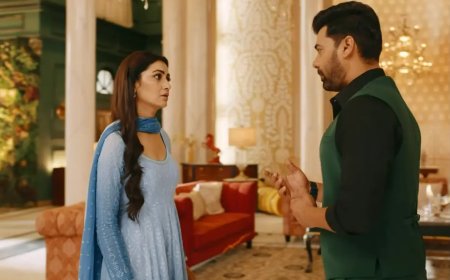
In an entertainment landscape increasingly defined by transient digital fame and rapid media consumption, the foundational principles of a seasoned performer remain deeply anchored in the substance of the written word. For actor Parichay Sharma, currently making waves with his complex portrayal of Samar Sisodia in the highly rated drama series Vasudha, the artistic merit of a dramatic role is never determined by the superficial metric of chronological screen time. Instead, the enduring significance of a performance relies entirely on its inherent narrative weight and clear storytelling purpose. As modern global audiences actively look past standard commercial tropes across both traditional cinema screens and digital streaming networks, actors are discovering that an impactful, well-crafted narrative footprint leaves a far more permanent mark than empty hours under the spotlight.
When dissecting his individual creative selection process, Sharma operates with a highly structured philosophy that prioritizes the structural integrity of the overarching script. The primary variable behind his creative commitment is the structural necessity of the character to the fundamental conflict of the plot. Every creative incarnation must possess an explicitly defined motivation, a distinct psychological drive, and a palpable reason for existing within the fictional framework. This remains non-negotiable even when evaluating antagonist or gray roles, where understanding the internal logic of the character becomes paramount to humanizing the performance. An exceptionally written, brief appearance that drives the core storyline forward holds infinitely more artistic value than an expansive, yet ultimately hollow, protagonist role designed purely for vanity.
Simultaneously, the modern digital paradigm has opened up unprecedented avenues for contemporary artists to dismantle the rigid barriers of industry typecasting. Historically, television performers who achieved commercial breakthroughs in specific generic formats found themselves systematically restricted to identical templates by risk-averse casting directors. Sharma points to his own successful exploration of the comedic landscape in a prominent project for Zee as a crucial turning point that challenged his established artistic boundaries. In the contemporary environment, personal social media profiles have evolved into powerful, independent creative portfolios. By self-generating diverse performance clips and showcasing a wide range of emotional versatility online, actors can circumvent traditional gatekeepers and demonstrate their expansive capabilities directly to creative directors looking for fresh perspectives.
This fluid evolution in performance styles mirrors a larger, structural transformation occurring within global audience consumption habits. The modern entertainment market has effectively bifurcated into two distinct operational ecosystems, with over-the-top (OTT) streaming platforms and traditional cinematic exhibition halls serving entirely separate psychological needs. Digital streaming networks have successfully cultivated an exceptionally dedicated, intellectually curious demographic that actively seeks out hyper-realistic, experimental, and deeply nuanced storytelling environments. Consequently, independent narratives and complex character studies that might struggle to find commercial oxygen in a crowded theatrical market find immediate financial viability and critical acclaim when delivered directly to the comfort of the digital consumer.
Conversely, the psychological expectation behind the traditional theatrical outing has pivoted decisively toward the monumental. When modern viewers invest their hard-earned capital and time to visit a physical cinema complex, they are explicitly purchasing a grand, visceral, and larger-than-life spectacle that cannot be replicated on a domestic television screen. Sharma recognizes this shift not as a decline in cinematic literacy, but as a natural evolution of a diverse entertainment market. The public routinely utilizes the cinematic space as a communal escape from the mounting anxieties and systemic stresses of modern daily life, making light-hearted entertainment and heavy visual spectacles the natural dominant forces of the box office.
Ultimately, these shifting market dynamics do not change the fundamental truth governing high-quality artistry. An actor's personal viewing palate can easily span the entire spectrum from unadulterated commercial entertainment to the complex, dark underbelly of arthouse human comedies without suffering any cognitive dissonance. True storytelling excellence transcends arbitrary generic boundaries; brilliant execution remains brilliant execution, regardless of whether it manifests as a riotous comedy or a devastating social drama. So long as a narrative is constructed with absolute creative honesty and articulated with unyielding precision, it will continuously find its way to an appreciative audience, validating the timeless pursuit of authentic art over passing commercial formulas.