






























World Television Day Special: Cast of Tumm Se Tumm Tak Reflects on Television’s Evolution and Its Timeless Bond With Audiences
Ahead of World Television Day on November 21, the ensemble cast of Tumm Se Tumm Tak opens up about the remarkable journey of Indian television, changing storytelling formats, and the unmatched emotional connection with viewers.
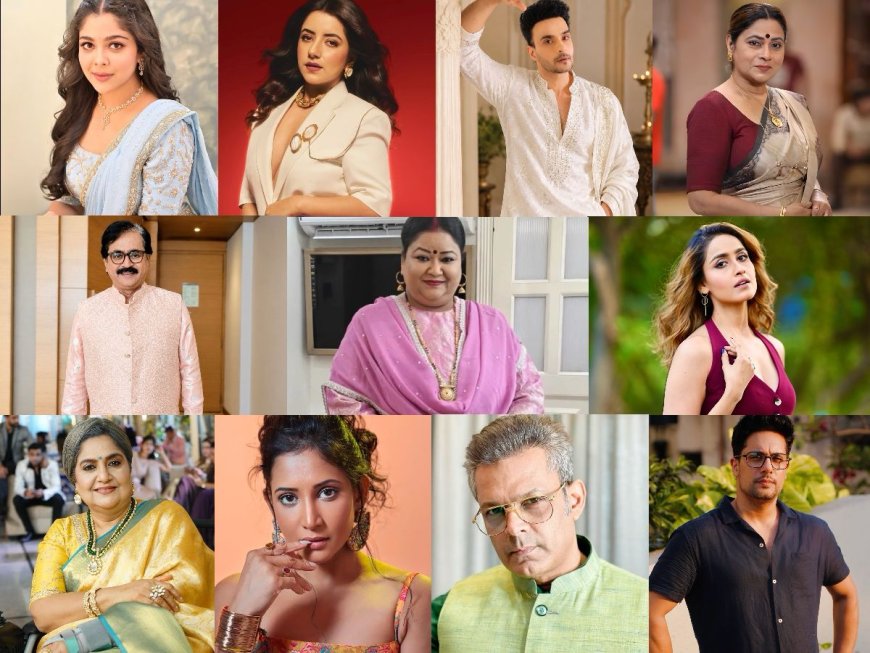
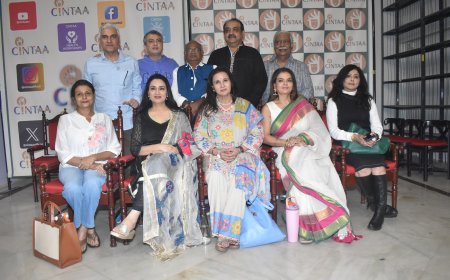
As World Television Day approaches on November 21, the ensemble cast of Tumm Se Tumm Tak takes a nostalgic and insightful look back at how the small screen has transformed over the decades. From the golden era of Doordarshan to today’s dynamic landscape of satellite channels and OTT platforms, the actors reflect on shifting audience sensibilities, creative growth, and the enduring magic of entering millions of homes every single day.
Living the Character and Connecting With Everyday Lives
For Niharika Chouksey, television’s greatest strength lies in its deep emotional resonance. Reflecting on the transition from collective family viewing on Doordarshan to today's on-demand choices, she shared:
“What I love most about working in television is the opportunity to live a character's journey for months and understand its different emotions. You get attached to the character just as much as the audience does. Television also gives us a chance to portray stories that people can relate to in their everyday lives. I believe the stories we tell influence how people look at relationships, family and society.”
Echoing the importance of daily growth and meaningful storytelling, Dolly Chawla noted how expanded content variety and OTT have unlocked fresh creative avenues:
“What I enjoy most about television is the learning that happens every single day on set. Every scene, co-actor and character brings a new experience. You also get the chance to connect with viewers who follow your work regularly. I feel our content should be entertaining, but it should also have some meaning because the characters we portray can leave a lasting impression.”
A Mirror of Society and Unmatched Reach
Veteran actress Vandana Pathak highlighted television’s dual power to reflect and inspire social progress:
“Television has always been a mirror of society, but it also has the power to bring about a change in society. What I love about television is its reach. You enter people's homes through your work, and over time, they begin to feel that they know you personally. That kind of affection is truly priceless for an actor. I feel entertainment should make people smile, think and sometimes even question things around them.”
Similarly, Utkarsha Naik emphasized how narratives have expanded beyond traditional family themes to embrace broader perspectives:
“What I enjoy most about television is the constant opportunity to perform. As an actor, you are always working on your craft, understanding emotions and discovering new aspects of yourself. Every character teaches you something. I feel television should continue bringing stories that connect people emotionally and make them more sensitive towards issues that matter.”
Relationships On-Screen and Off-Screen
For Angad Hasija, who fondly recalls families scheduling their routines around favorite broadcasts, the true magic of television lives in the bonds forged on set and with fans:
“One thing that hasn't changed is the audience's love for a good story. What I love about working in television is the relationships we build during a show. You work with the same people for months, sometimes years, and they become like family. The audience also becomes familiar with your work and supports you through different phases of your career. That bond is what makes television special.”
Soma Rathod described that viewer affection as a deeply personal connection:
“Sometimes viewers start treating an onscreen character like someone from their own family. That is a very special bond. What I love about working in television is the happiness of being recognised and appreciated by people from different walks of life. Even a small compliment from a viewer can make your day.”
Global Exposure, Craft, and Social Responsibility
Observing how global content access has sharpened viewer awareness, Saarvie Omana noted:
“What I particularly enjoy about television is that it gives you enough time to explore your character and grow with it. You get to experience different emotions and situations through your role. I don't think television has lost its charm. There is something beautiful about viewers waiting for their favourite characters and following their journey every day.”
Sameer Patil praised the discipline demanded by the fast-paced medium:
“OTT has definitely expanded the entertainment space, but I believe television has its own identity and audience. What I enjoy about working in this medium is the pace and the challenges that come with it. You have to be prepared, adapt quickly and deliver your best even when situations are demanding. It teaches you discipline and helps you become a better performer.”
For Nasirr Khan, reaching diverse households across generations comes with a vital duty:
“I think the biggest responsibility of any storyteller is to understand the impact of what they are showing. Your performance can be watched by people from different cities, backgrounds and generations. That reach comes with a responsibility, and I believe we should create content that is engaging without losing touch with reality.”
Representing Modern Mindsets and Strong Storytelling
Representing a generation raised alongside television, social media, and streaming, Nandani Tiwary stressed the value of authentic female portrayal:
“This has made audiences more selective, and they want stories that feel real and relatable. What I love about working in television is that it allows me to experiment with emotions and portray women with different personalities and mindsets. I believe television should represent the changing mindset of society, especially when it comes to women's choices, independence and relationships.”
Rounding out the reflections, Manraj Singh Sharma noted how technological ease has raised the bar for narrative excellence:
“We have moved from a time when entertainment was limited to certain hours to an era where content is available at our fingertips. What I love about working in television is that there is never a dull moment. The industry constantly challenges you to improve, think on your feet and bring something new to your performance. I feel the foundation of every successful show remains a strong story.”
What's Your Reaction?