

















Beyond the Headlines: Arjun Bijlani Slashes Clickbait Rumors Surrounding Longtime Friend Mouni Roy
Actor Arjun Bijlani strongly reacts to speculative dating rumors with former co-star Mouni Roy, calling for ethical reporting, fact-checking, and respect for personal boundaries in the digital era.
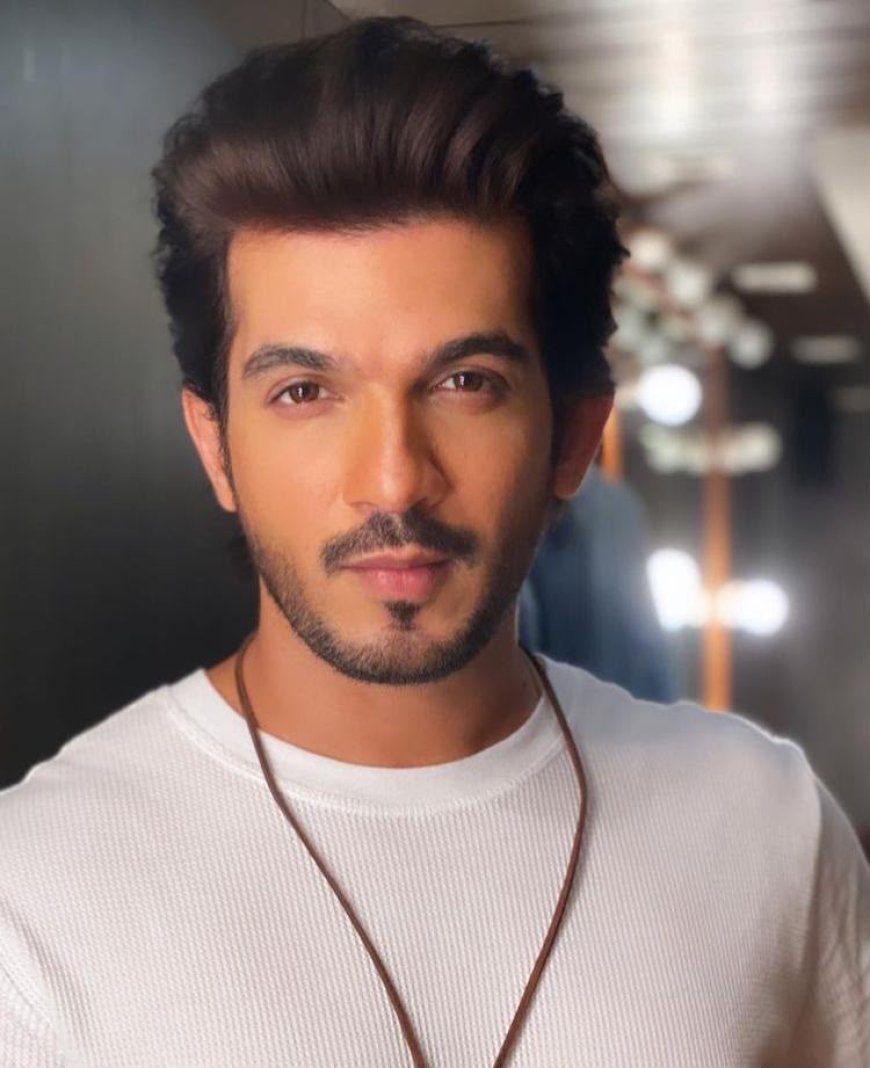
The fast-paced ecosystem of digital entertainment media often struggles to draw a clean boundary between harmless celebrity reporting and intrusive, fabricated speculation. This ethical friction was thrust into the spotlight when television star Arjun Bijlani issued a strong, public condemnation of local gossip portals and paparazzi pages. The controversy erupted shortly after a brief video of Bijlani and his longtime close friend, actress Mouni Roy, stepping out of a Mumbai restaurant after dinner circulated online. Rather than capturing a routine meeting between two industry veterans, several social media handles framed the dinner outing through a highly suggestive lens, sparking baseless dating rumors that forced Bijlani to directly address the narrative.
Taking to his social media platforms, Bijlani expressed immense disappointment over the growing culture of turning genuine human connections into clickbait fodder to drive online engagement. He clarified that his association with Roy is built on a rock-solid, fifteen-year-long friendship that has survived the unpredictable tides of show business. For Bijlani, meeting a friend and showing up for them during a challenging or vulnerable transition is a fundamental duty of friendship, not a dramatic headline designed to capture eyeballs. He strongly called out the lazy habit of contemporary entertainment media to superimpose a romantic template onto every single platonic interaction between a man and a woman.
The actor's public outrage points to a broader, more systemic issue within the current media landscape, where rapid content cycles systematically override standard editorial verification. Bijlani emphasized that a simple act of investigative responsibility or fact-checking would prevent the spread of misleading claims that aggressively invade a celebrity’s personal space and create unnecessary public confusion. By choosing immediate views over accuracy, gossip portals continue to damage their own credibility. His defensive stance was quickly reinforced by fellow television star Krystle D’Souza, who left a sharp comment on a prominent paparazzi post, condemning the channel for circulating baseless lies solely for social media engagement.
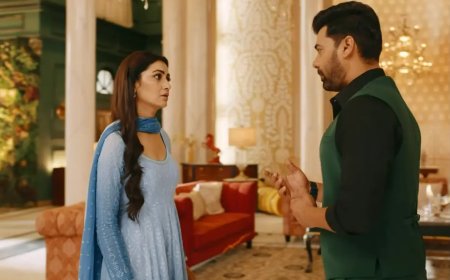
The timing of these rumors was particularly intrusive, emerging shortly after Roy’s public announcement regarding her amicable separation from husband Suraj Nambiar. Having recently released a joint statement requesting privacy as they navigate their transitional phases independently, the sudden flood of artificial dating speculation represents exactly the kind of media intrusion the former couple had explicitly asked to avoid. Bijlani and Roy’s shared history includes headlining the blockbuster initial season of Ektaa Kapoor’s fantasy drama Naagin in 2015, a project that established them as one of television's most cherished on-screen pairings. However, the actors have consistently maintained that their real-world dynamic is rooted strictly in mutual professional respect and long-standing familial support.
Ultimately, Bijlani's statement serves as a highly necessary, sobering reminder of the critical importance of ethical, responsible journalism in the digital age. In a landscape dominated by algorithm-driven metrics, his appeal highlights the human cost of sensationalism. By urging publishers and social media creators to prioritize accuracy over immediate clicks, he champions a media environment that respects personal agency, values truth, and recognizes that a supportive presence in a friend’s life should be respected, rather than exploited.