



































Deconstructing the Illusion of Fame: Baseer Ali Breaks Down the Real Mechanics of Reality Television
In a transparent appearance on Honestly, Why Not With MNL S2, reality television icon Baseer Ali addresses the ultimate misconceptions of "unscripted" TV, dissects male actor rivalries, and reflects on the hollow nature of social media validation.
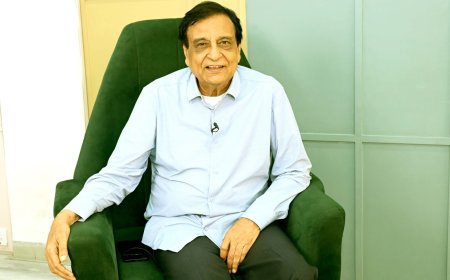
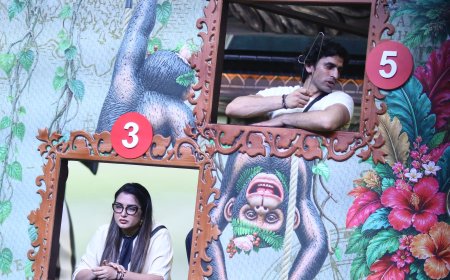
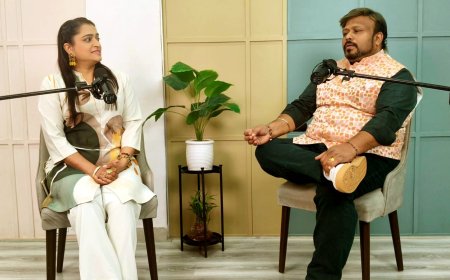
The glittering allure of reality television often masks the highly calculated production frameworks that drive the entire industry. During a candid appearance on the second season of the popular chat show Honestly, Why Not With MNL, hosted by prominent Hoonur Talent Head Mohammed Nagaman Lateef, reality star turned mainstream actor Baseer Ali provided an uncompromised look behind the curtain. Addressing the widespread public fascination with shows like Roadies, Splitsvilla, and Bigg Boss, Ali tackled the ultimate question that plagues every reality alumnus: is the drama authentic, or is it merely written in a studio backroom?
According to Ali, the public generally defaults to a highly binary view, assuming that daily soaps are fake while reality shows are entirely organic. In reality, the truth occupies a sophisticated middle ground. While these multi-crore entertainment products are not scripted line-by-line or dictated through pre-written dialogue, they are meticulously and aggressively controlled by the production machinery. Because the stakes are incredibly high and the majority of the cast consists of young newcomers completely unversed in the volatile dynamics of prime-time television, executive teams systematically steer the overall direction, challenges, and environmental triggers to guarantee a highly engaging final product.
Beyond production mechanics, the conversation shifted toward the internal politics and competitive strain experienced by male television actors. While Ali modestly noted he remains somewhat detached from the immediate daily social circles of daily soap ensembles, his macro-level observations reveal a dual-layered reality. The industry naturally harbors individuals driven by toxic rivalry who actively attempt to undermine their peers to secure prime screen time. Conversely, it simultaneously contains pockets of immense camaraderie and professional support. Ultimately, navigating this landscape depends entirely on an actor's personal boundaries and the specific professional network they choose to cultivate.
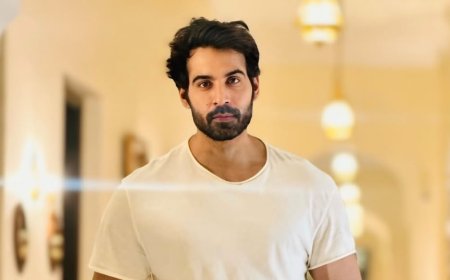
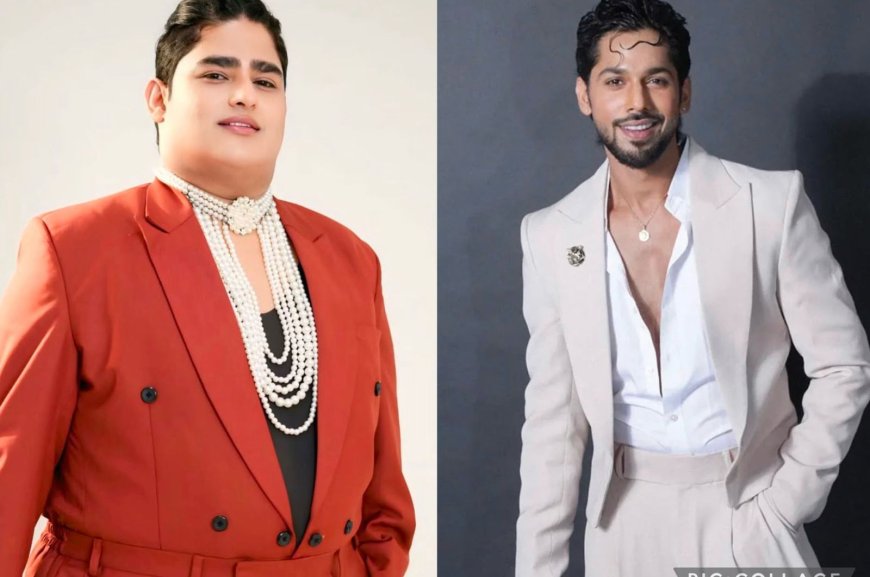
The core differentiator between a fleeting moment of reality television fame and a sustainable, decades-long acting career relies entirely on the strategic decisions executed immediately after the cameras stop rolling. Ali utilized the contrasting career trajectory of his contemporary, Priyank Sharma, to illustrate this exact phenomenon. While Ali exited his winning stint on Splitsvilla with a massive surge of over 800,000 followers outstripping Sharma's initial base, Sharma rapidly outpaced him in the long run by executing high-impact mainstream moves. By frontlining massive commercial music videos alongside top-tier chart-toppers like Badshah and Aastha Gill, Sharma successfully expanded into entirely separate target demographics, solidifying a lasting presence in the industry.
Concluding the dialogue, Ali offered a highly grounded perspective regarding the psychological trap of modern social media metrics. He warns that digital popularity is perhaps the single most deceptive element of the contemporary media age. While maintaining millions of digital followers appears exceptionally impressive on paper, it often translates to very little tangible financial security. If a creator cannot convert their digital footprint into sustainable revenue streams capable of managing routine household expenses, those metrics remain a complete illusion. In a world where an algorithmic shift or an internet outage can erase millions of profiles overnight, relying solely on vanity metrics without building authentic professional assets is a recipe for career obscurity.