




















































Earth Awakens: Six Nations Experience Simultaneous Volcanic Eruptions Within 48 Hours
In an extraordinary geological event, active volcanoes across six countries—Mexico, Colombia, Italy, Japan, Guatemala, and Indonesia—erupted within a 48-hour window, sparking evacuations, regional alerts, and aviation warnings worldwide.
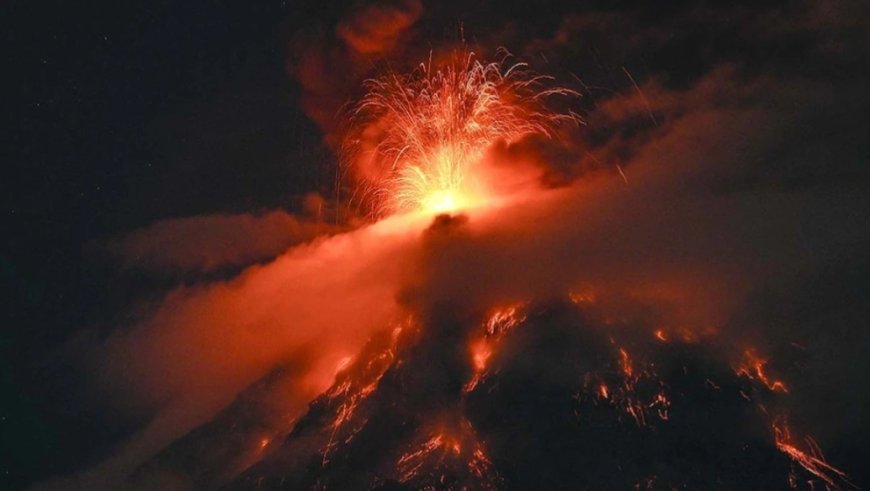
In a rare and dramatic display of Earth's internal forces, six different nations across the globe experienced simultaneous volcanic eruptions within a brief 48-hour window. Geological monitoring stations worldwide recorded heightened seismic activity, explosive ash columns, and fresh lava outflows across Mexico, Colombia, Italy, Japan, Guatemala, and Indonesia. This sudden surge of geological activity across multiple tectonic plates has placed emergency management teams on high alert while capturing the immediate attention of the international scientific community.
The central focus of this global volcanic wave remains concentrated along the Pacific Ring of Fire—a horseshoe-shaped zone of high tectonic activity that houses the majority of the planet's active volcanoes. In Central America, Guatemala's volatile Fuego volcano registered a series of powerful explosions, casting thick plumes of toxic gas and volcanic ash high into the atmosphere. The heavy ash fall forced local civil defense authorities to issue immediate warnings for surrounding rural settlements, advising residents to clear immediate fallout zones and wear protective masks to prevent severe respiratory distress.
Simultaneously, in Mexico, the notorious Popocatépetl volcano demonstrated renewed instability, discharging continuous streams of ash, water vapor, and incandescent material from its central crater. Mexican disaster prevention agencies maintained elevated yellow warning alerts as ash drifted toward adjacent municipalities, prompting local airport authorities to temporarily suspend ground operations and reroute incoming commercial flights to minimize engine damage from airborne silica particles.
Across the Atlantic, European geological sensors tracked sudden eruptive episodes in Italy, where active volcanic peaks illuminated night skies with vibrant lava fountains and localized tremors. The explosive activity generated localized ash clouds that swept across neighboring villages, requiring municipal teams to clear road networks and issue driving advisories due to reduced visibility and slippery road conditions caused by heavy lapilli accumulation.
Meanwhile, the Asian continent witnessed parallel activity across the island chains of Japan and Indonesia. In Japan, explosive summit vents hurled volcanic bombs and dense smoke clouds into the sky, prompting localized exclusion zones to safeguard nearby communities and tourists. In Indonesia, situated at the convergence of several major tectonic plates, multiple volcanic monitoring posts reported fresh lava effusions and pyroclastic surges, leading local governments to enforce strict no-entry perimeters around high-risk zones to prevent casualties among nearby agricultural workers.
Although simultaneous eruptions across far-flung geographic regions often spark public concern regarding potential deep-earth connections, volcanologists clarify that these events are primarily independent occurrences driven by localized magma pressures. However, the concurrent timing highlights the dynamic nature of Earth's crust and underscores the critical importance of continuous satellite monitoring, early-warning networks, and synchronized international aviation safety protocols during periods of heightened global volcanic unrest.