





























Music Plays a Very Important Role in Short Films”: Composer Dipesh Varma Opens Up on Scoring Raqs, Choosing Raag Todi, and Learning From Ustad Taufiq Qureshi
Percussionist and composer Dipesh Varma discusses creating the music for short film Raqs—produced by Manbeena Sandhu and directed by Iqbaal Rizvii—explaining his choice of Raag Todi, his admiration for Hans Zimmer and A. R. Rahman, and his 20-year mentorship under Ustad Taufiq Qureshi.
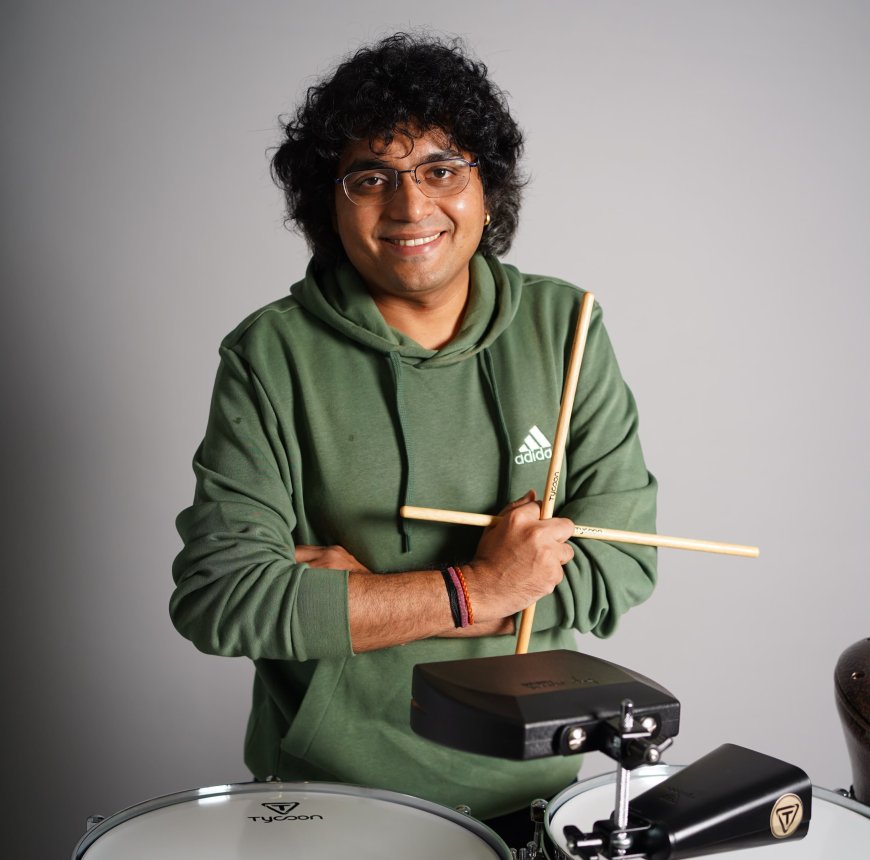
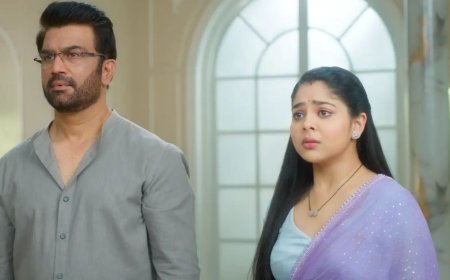
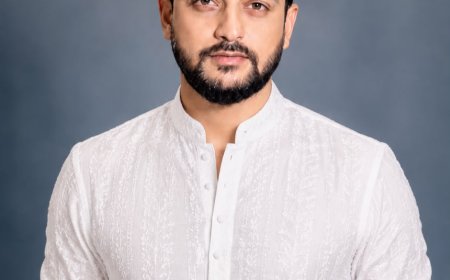
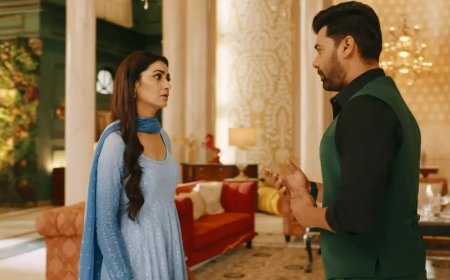
Acclaimed percussionist and composer Dipesh Varma, a longtime disciple of world-renowned percussion maestro Ustad Taufiq Qureshi, has crafted the music for the short film Raqs, produced by Manbeena Sandhu and directed by Iqbaal Rizvii. Speaking about his creative process, Varma explained how the emotional depth of the story inspired him to turn to Raag Todi, why short films demand a distinct musical sensibility, and how two decades under his mentor have shaped his artistic outlook.
Saying Yes to a Heartbreaking Subject
Recalling what drew him immediately to Raqs, Dipesh shared that the emotional weight of the narrative was the biggest catalyst:
“The biggest reason for saying yes was the subject itself and the situation explained by Iqbal Bhai, the director. The situation was, first of all, very heartbreaking, and at the same time, such situations sometimes inspire a composer to come up with something really interesting and apt for the subject. I immediately said yes after listening to the subject and the specific situation in which the song comes in.”
Why Music Matters So Deeply in Short Films
According to Dipesh, working within a compact runtime pushes a composer to showcase nuance and craft intelligently rather than relying solely on background cues:
“Music plays a very important role in short films because a composer cannot just look at the duration of the song. You also have to consider how smartly you can showcase art and craft within that short timeframe. It is very important for short films to accommodate songs and music sections apart from the background score. Somewhere, music helps keep the audience hooked and engaged with the film.”
Turning to Raag Todi to Capture Emotional Intensity
Expressing gratitude to director Iqbaal Rizvii for trusting him with an intense subject, Dipesh revealed how clarity of vision led him straight to classical depth:
“My first reaction was gratitude. I thanked Iqbal Bhai for choosing me for such an intense subject. I was very happy that the director showed faith in me and chose me for this project. He explained the entire situation to me very nicely and in detail, which made my work easier. Keeping the situation in mind, I chose a serious raag called Raag Todi, which is intense.”
Music as Storytelling—Without Overpowering the Screen
Dipesh views music as an extension of storytelling that should serve the visuals and inner emotions of the characters rather than dominate them:
“The primary approach is always to play the role of an accompanist. Whenever there is space to showcase something, you shine there and then come back to your accompanying role. Both the lyrics and the tune should lock together, and for that, you need to understand the situation of the song first. Once the director's vision is clear, it becomes easier to compose music according to that situation. The music should stick to the situation and visuals without letting the audio become bigger than the video, unless a massive dance sequence requires it. It is about conveying the inner chaos of a character properly rather than focusing on quantity or loudness.”
Short Films vs. Feature Films: A Different Musical Approach
Asked how scoring a short film differs from a full-length feature, Dipesh emphasized flexibility guided strictly by story and context:
“Yes, composing for a short film requires a different approach. I feel the approach is very much dependent on the situation and the subject. Accordingly, you aim to create a good and appropriate song while keeping the duration in mind, though short films can sometimes feature seven- to eight-minute songs, depending entirely on the situation and subject.”
He added that striking the right emotional chord within limited time poses a rewarding challenge:
“It is very challenging to create an emotional impact through music because you have to choose and compose the right tune for the situation. For example, the situation I was given here was very intense, so I could not approach it with a happy or pleasant melody. That is why Raag Todi was chosen for its powerful impact in its own way.”
Musical Inspirations and 20 Years With Ustad Taufiq Qureshi
Sharing his favorite film scores and musical inspirations, Dipesh named global and Indian icons who continue to influence him:
“My favourite is F1, composed by the great Hans Zimmer. In India, there are many amazing background score composers, notably John Stewart Eduri, one of the finest background score composers, and the legendary A. R. Rahman, whom I look up to. He is an inspiration to all of us.”
Above all, Dipesh credits his artistic foundation to his guru and father figure, Ustad Taufiq Qureshi:
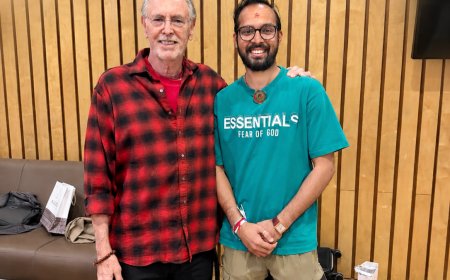
“I have been learning under him for 20 years, and the learning is still ongoing. His way of looking at music and rhythms is totally different from that of others. The way he looks at it, others do not have the same vision that he possesses. Being his student, I always feel blessed and grateful to him for all his teachings and everything I have learnt over the years. He is like a father to me, someone with whom I can share anything, whether it is about music or life.”
What's Your Reaction?