






































The Shaktimaan Guide to Survival: Mukesh Khanna Unpacks the Cost of Compromise in Showbiz
In an unfiltered discussion with psychic and astrologer Geetu Parmar, veteran actor Mukesh Khanna shares his hard-hitting views on casting couches, staying anchored through family, and maintaining strict personal boundaries in a chaotic industry.
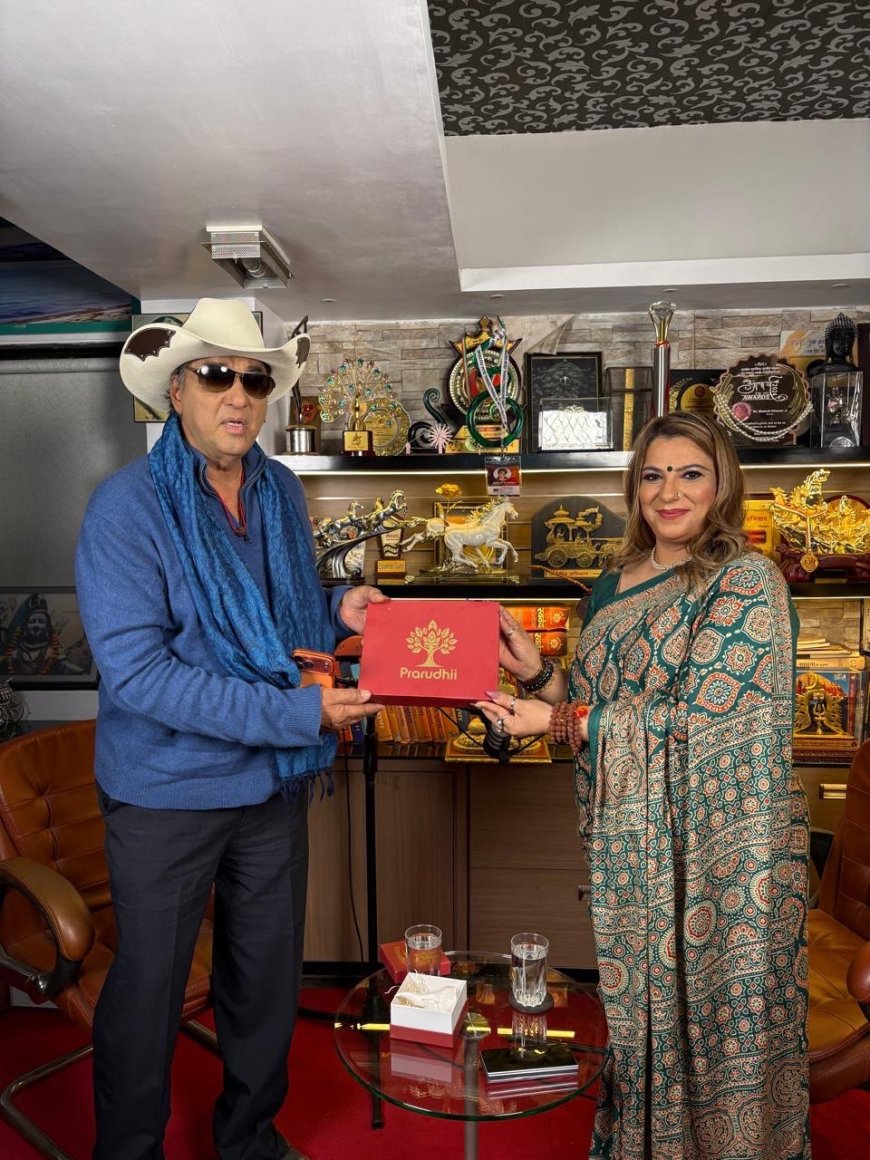
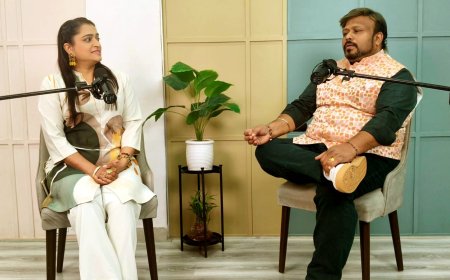
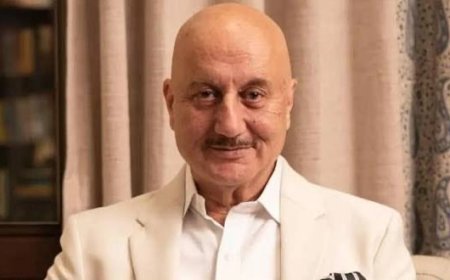
In an entertainment landscape where success is often measured by social currency, industry networking, and compromises, veteran actor Mukesh Khanna remains an uncompromising outlier. Best known for bringing iconic characters like Shaktimaan and Mahabharat’s Bhishma Pitamah to life, Khanna’s career has been as much about his ironclad principles as his powerhouse performances. Sitting down with astrologer and psychic Geetu Parmar on her popular podcast, the veteran star opened up about his tumultuous journey, offering a raw, unfiltered critique of the glitzy yet slippery slopes of the television and film industries.
For Khanna, the path to legendary status was paved with years of demoralizing stillness. Long before Mahabharat transformed him into a household name, he endured a painful period of professional stagnation. Out of fifteen films he signed early in his career, several flopped back-to-back, forcing him into a grueling two-year hiatus at home. Yet, while most struggling actors would have resorted to desperate networking or attending high-profile parties to remain visible, Khanna chose isolation over sycophancy. He steadfastly refused to beg anyone for employment, a quiet defiance that ultimately paid off when the epic mythological series came calling, permanently altering his destiny.
This trial by fire is what fuels his incredibly rigid, protective advice for aspiring actors entering showbiz today. Khanna warns that the entertainment industry is essentially a road packed with constant moral temptations. For young artists arriving from small towns, he insists that drawing a non-negotiable personal boundary is crucial to maintaining mental peace. He is particularly vocal about the dark realities of the casting couch, offering a fiercely direct solution: if an individual demands sexual favors in exchange for a role, they deserve to be slapped immediately. In his view, letting a film go is infinitely better than losing one's self-respect, as a principled artist will always find alternative paths to success.
To survive the psychological toll of rejection, the veteran actor urges newcomers to treat their families as their ultimate emotional anchors. Showbiz, by its very nature, is a transactional environment where genuine relationships are rare. When the pressure peaks and success seems distant, Khanna advises taking a step back, packing a bag, and returning home to reconnect with parents or siblings. This grounded perspective has kept him incredibly insulated from the industry's notorious vices; despite spending decades in the glamorous world of entertainment, he proudly shares that he has never smoked, consumed alcohol, or touched a drop of beer, choosing instead to strictly honor the cultural values passed down by his elders.
While Khanna’s advice on personal conduct is highly empowering, his sharp social commentary also extends to controversial takes on modern fashion and gender roles. He argues that true impact and strength come entirely from within, pointing out that mythological warriors like the Pandavas commanded immense authority while remaining fully clothed. He views the modern tendency to wear less clothing for public attention as a regression that disrespects family values and heritage. On the concept of gender equality, he takes a traditional, distinct stance, suggesting that a woman's biological and maternal capacity is a unique, sacred power that should not be diminished by constant comparison with men.
However, Khanna is equally vocal about dismantling unfair societal double standards, particularly within the institution of marriage. He openly critiques the patriarchal expectation that demands absolute devotion and sacrifice solely from a wife, while allowing husbands to engage in unchecked personal indulgences. For Khanna, a successful marriage is an equal partnership that hinges entirely on mutual respect, shared devotion, and balanced accountability. Ultimately, his life story stands as a rare testament to the fact that longevity in the creative arts is entirely possible without sacrificing your soul. The satisfaction of earning success on his own terms, he concludes, is worth far more than any fortune.