



























Weak Storytelling and Half-Cooked Talent Are Changing Television": Gulfam Khan Hussain Reflects on the Evolution of Daily Dramas
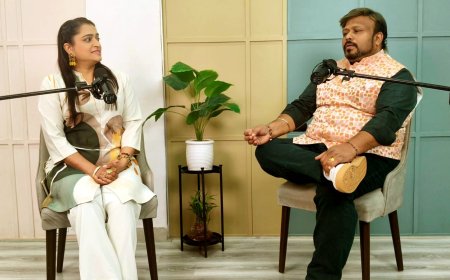
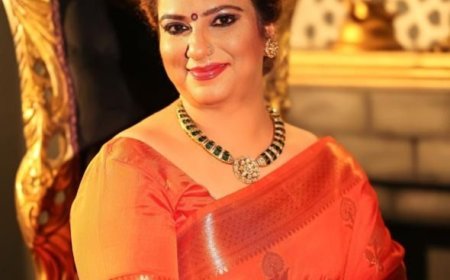
Veteran actress Gulfam Khan Hussain shares her candid perspectives on the changing landscape of Indian television, discussing weak narrative depth, budget-driven casting choices, and her enduring passion for acting.

With an extensive body of work spanning television serials, OTT productions, and mainstream feature films, actress Gulfam Khan Hussain has built a reputation for bringing depth and authenticity to every character she undertakes. From her early breakout performances in landmark serials to notable film appearances in projects like Talaash, Dhanak, and Laxmii, the seasoned performer continues to navigate the evolving entertainment landscape with undiminished zeal. Even after years of working in front of the camera, she maintains that her hunger for complex roles remains as sharp today as it was when she first stepped onto a production floor.
Reflecting on what sustains her professional longevity, the actress explained that the fundamental thrill of acting resides in the sheer process of creation. Regardless of whether a project is slated for theatrical release, streaming services, or daily television broadcasts, her focus remains rooted entirely in performance discipline. She noted that the nervous energy accompanying the first day of shooting is a crucial indicator that an artist remains genuinely invested in their craft. For her, responding to a director's cue and immersing herself in a new persona provides a constant sense of discovery that prevents creative stagnation.
A central highlight of her career trajectory involved a character that was originally intended to be nothing more than a brief episodic appearance. When she was cast as Rasili Bai in Ghar Ki Lakshmi Betiyaan, she approached the minor assignment with rigorous preparation, spending a week researching the nuances and cultural context associated with the character. That thorough commitment paid off when the producers expanded the cameo into a full-fledged role that spanned the entirety of the show's run. The widespread global reach of Indian television became apparent to her when viewers from vastly different cultural backgrounds—including fans in Switzerland and Egypt—recognized her for that single performance, demonstrating how authentic character work transcends geographic boundaries.
Having closely observed the television industry transform over two decades, the actress offered a balanced assessment of its structural evolution. On one hand, technological advancements have drastically improved set infrastructure, offering climate-controlled studios, superior equipment, and stricter workplace safety standards compared to earlier eras. However, she observed that these technical upgrades have coincided with a noticeable decline in creative standards, payment structures relative to inflation, and narrative coherence across daily broadcasting.
According to her assessment, a growing reliance on cost-cutting measures has compromised the quality of casting and long-term narrative planning. Production houses frequently opt for inexperienced performers primarily because they fit smaller talent budgets, often bypassing seasoned actors who bring years of technical expertise to the screen. This shift toward rapid, low-cost assembly has led to diluted performances and thinner storylines that struggle to sustain viewer engagement over extended periods, contributing to the premature closure of many current television shows.
Addressing the current state of television writing, she highlighted the relative absence of textured supporting characters and ensemble dynamics that previously defined successful family dramas. In traditional television formats, side characters, neighborhood figures, and extended family members carried distinct perspectives that actively moved the plot forward and created relatable friction within the household. Dramatic tension and episode cliffhangers were routinely distributed among the broader cast, providing a balanced narrative ecosystem. Today, however, narratives tend to focus almost exclusively on the central leads, neglecting the intricate world-building and character development necessary to complete the broader storytelling jigsaw.
Despite these systemic challenges, she remains optimistic about the future of performance-oriented roles in television and allied media. While acknowledging that nuanced writing requires greater effort from creative teams, she emphasized that well-crafted characters continue to be produced and appreciated by discerning audiences. Moving forward, she intends to continue seeking out projects that offer genuine depth, choosing narratives that challenge her artistic capabilities regardless of the platform or format.