




































From 'Gullak 5' to 'Paatal Lok': 5 Standout Antagonists Who Completely Stole the Show
Discover five magnetic performances where screen antagonists brought unmatched intensity, chilling restraint, and complex layers to popular Indian web series, proving that villainy often drives the most compelling stories on digital platforms.
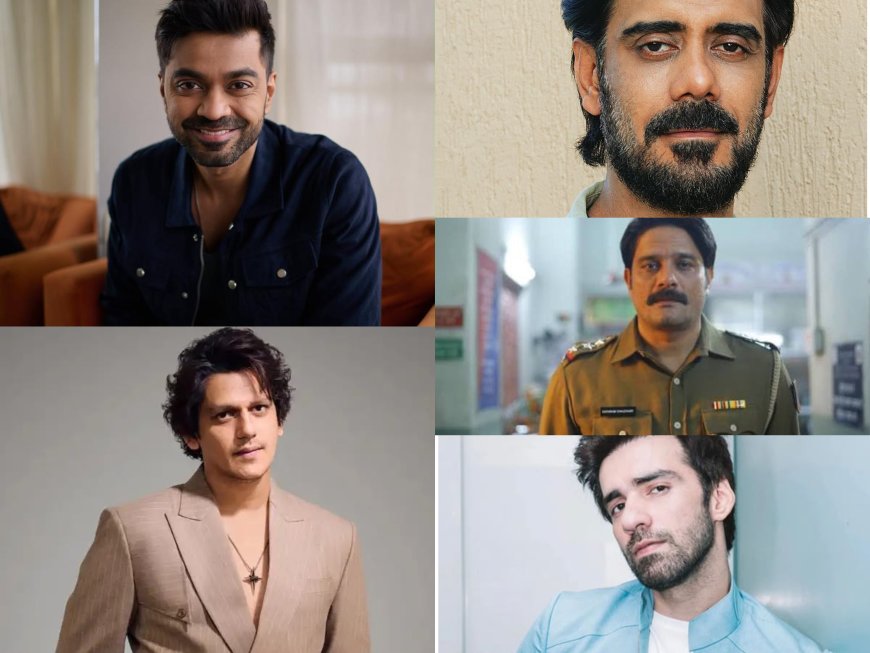
A truly memorable story rarely exists in a vacuum where good triumphs effortlessly over bad; more often than not, it is the formidable shadow cast by the antagonist that gives the narrative its pulse. In recent years, Indian streaming platforms have moved far past cartoonish villains who twirl their mustaches and declare their evil intent in theatrical monologues. Modern OTT narratives have embraced morally complex, deeply unsettling, and remarkably layered characters whose actions demand audience attention. From seasoned screen veterans who bring quiet menace to raw newcomers who disrupt beloved family universes, these antagonist performances didn't just support the main plot—they dominated the screen and redefined how viewers connect with gray characters.
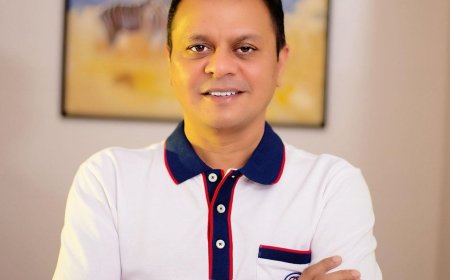
Take Jaideep Ahlawat's extraordinary work in Paatal Lok, a series that fundamentally altered the landscape of Indian crime thrillers. While the story follows the arduous journey of a weary police inspector navigating the dark underbelly of Delhi, Ahlawat’s portrayal brought a breathtaking degree of depth, emotional weight, and raw intensity to the screen. His ability to convey profound trauma, burning resentment, and cold calculation through mere silence—rather than explosive dialogue—gave the narrative its most haunting moments. It was a performance rooted in absolute conviction, proving that an antagonist's power often lies in what remains unsaid, cementing his reputation as one of the finest actors working in the digital space today.
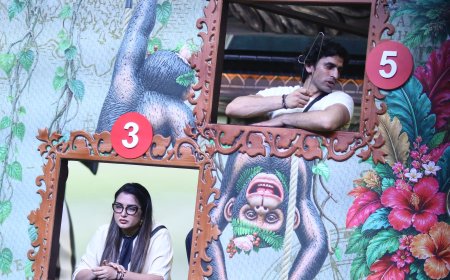
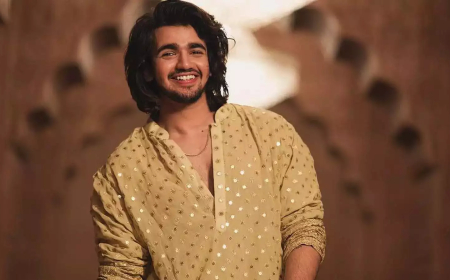
In a sharp contrast of technique, Vijay Varma delivered a masterclass in psychological intimidation in Dahaad. Playing a character whose depravity was hidden beneath the unremarkable exterior of a mild-mannered schoolteacher, Varma shunned overt aggression in favor of an unsettling, polite calm. His controlled body language, measured tone, and terrifyingly casual demeanor created a sense of pervasive dread that lingered long after each scene concluded. By refusing to play the character with loud, energetic villainy, Varma highlighted the terrifying reality of everyday sociopathy, crafting a performance that felt distinctly realistic and thoroughly disturbing for audiences watching the investigation unfold.
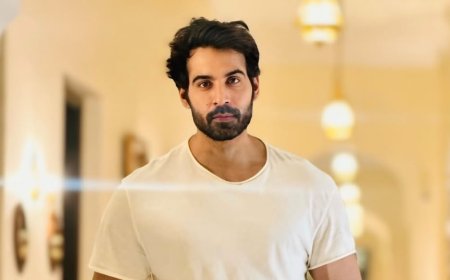
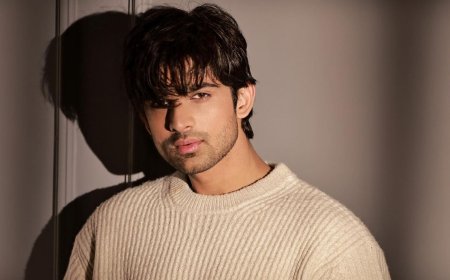
Adding an unexpected dynamic to a vastly different genre, Siddhaarth Mishra stepped into Gullak 5 to show how conflict can elevate even the most cherished family dramas. As Dr. Prithvi Datta, Mishra introduced a refreshing wave of tension into the gentle, nostalgic world of the Mishra household, breaking up the familiar rhythms of small-town life. Instead of playing a traditional villain, he brought arrogance, emotional detachment, and subtle friction that challenged the central characters. His performance injected a dose of real-world friction into the cozy, middle-class setting, proving that an antagonist does not need weapons or criminal plots to leave a lasting mark—sometimes, an ideological clash or a sharp, disruptive presence is more than enough to captivate viewers.
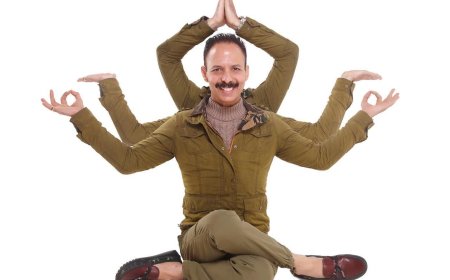
Meanwhile, in Khakee: The Bihar Chapter, Avinash Tiwary completely reinvented his onscreen image by stepping into the boots of the ruthless Chandan Mahto. Known previously for softer, romantic roles, Tiwary stripped away any sense of polish to deliver a raw, unpredictable, and explosive performance that grounded the crime drama in brutal reality. He captured the volatile nature of a man fueled by ambition, systemic oppression, and vengeance, balancing sheer menace with a strange, magnetic charisma. Tiwary did not merely play a gangster; he constructed a multi-dimensional force of nature whose presence loomed large over every law enforcement effort in the show, making his performance a definitive highlight of the series.
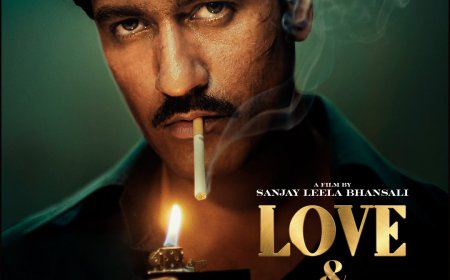
Rounding out this roster of extraordinary antagonists is Saurabh Sachdeva, whose work in Bambai Meri Jaan demonstrated the true power of theatrical restraint. Navigating a sprawling underworld saga filled with shifting loyalties and high-stakes violence, Sachdeva relied on immense physical authority, cold eyes, and a grounded voice to command the screen. Rather than competing with the narrative's scale, he grounded his scenes with deliberate poise, creating a figure whose authority was felt the moment he walked into a frame. His portrayal reinforced a fundamental truth about modern storytelling: when an actor approaches an antagonist with psychological nuance and absolute discipline, the resulting performance doesn't just challenge the protagonist—it captures the imagination of the audience long after the final chapter ends.