










































“Having Your Own Home Means Having a Place Where Your Identity Is Not Negotiated Every Day”: Alpana Buch
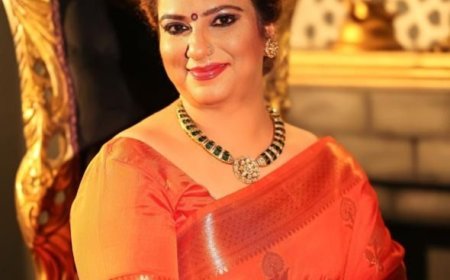
Actress Alpana Buch, who plays Leela Baa in Deepa Shahi and Rajan Shahi’s Anupamaa, reflects on the emotional significance of owning a house, healthy ambition, and women’s financial autonomy.
Television shows frequently reflect conversations unfolding within everyday households, and Deepa Shahi and Rajan Shahi’s popular drama Anupamaa continues this legacy through its evolving narrative arcs. The ongoing storyline sees Anupama resolute about building a house of her own after facing a major setback in a recent competition. While tracking her path toward personal independence, the plot highlights an important question regarding what owning a physical space truly signifies for a woman.
Addressing this core narrative shift, actress Alpana Buch, who portrays the matriarch Leela Baa in the show, believes that having a dedicated space carries profound psychological weight beyond structural ownership. She notes that for many women, personal space serves as a sanctuary of self-determination where peace does not require continuous permission. According to Buch, a home represents a foundational ground where an individual’s identity remains non-negotiable, acting as visible proof of one's belief in their own future after facing public or personal losses.
The narrative also highlights how quickly blame is assigned when unexpected failures occur. Reflecting on how she manages high-tension situations in real life, Buch shares that she prefers to slow down heated discussions rather than react impulsively. She stresses the importance of stepping back during emotional outbursts to return later with constructive solutions and factual clarity, emphasizing that protecting one's personal emotional energy is vital when navigating workplace or family conflict.
Discussing Prem’s intense storyline and his growing fixation with victory, Buch addresses the dangerous turning point where personal ambition becomes toxic. She observes that ambition turns unhealthy when winning takes precedence over personal relationships, trust, and empathy. While dramatic on screen, Buch notes that this tendency to isolate oneself due to resentful competition remains a very real human flaw, asserting that genuine success must always leave room for compassion toward others.
Furthermore, through Prerna's storyline, the show tackles societal double standards concerning women’s attire, freedom, and personal choices. Buch observes that external judgments regarding clothing or independence often serve as pretexts to challenge a woman's autonomy. She calls for a cultural shift where families and institutions view self-reliant women as a standard norm rather than framing them as inherently rebellious simply for living on their own terms.
Concluding her perspective, Buch highlights the necessity for television media to address middle-aged and older women's financial vulnerabilities. Having spent decades looking after household demands, many women often lack individual financial literacy or legal ownership of the homes they maintain. By bringing these authentic domestic realities into mainstream family dramas organically, Buch believes media can spark crucial real-world dialogue on women's financial security and individual rights.