












































"If You Try Too Hard to Be Funny, It No Longer Feels Realistic": Deepakk Dutta Breaks Down the Art of Situational Comedy in 'Daadi Ki Shaadi'
Actor Deepakk Dutta shares his candid perspective on comedy, explaining why situational humor works better than forced effort and how staying grounded elevated his role in Netflix's 'Daadi Ki Shaadi'.
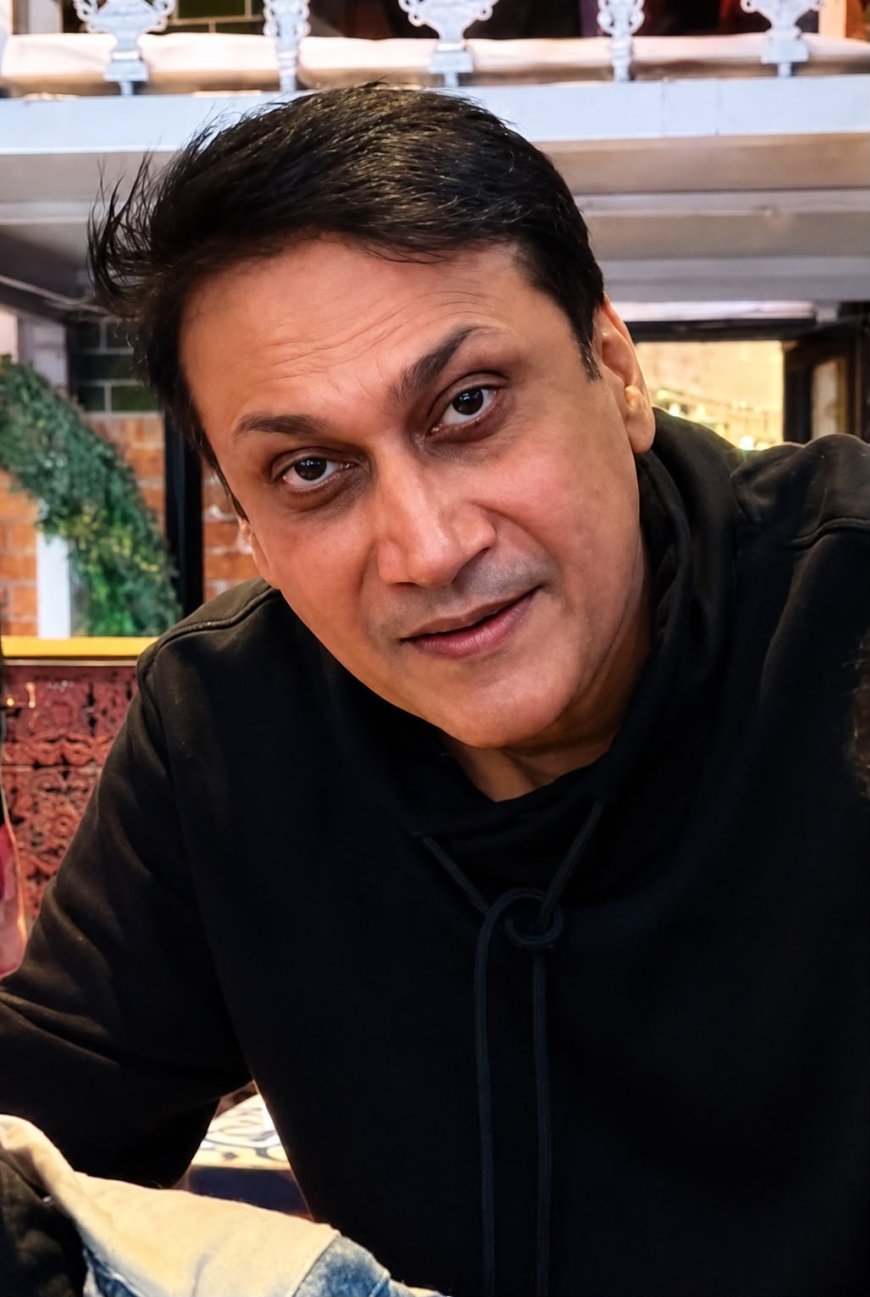
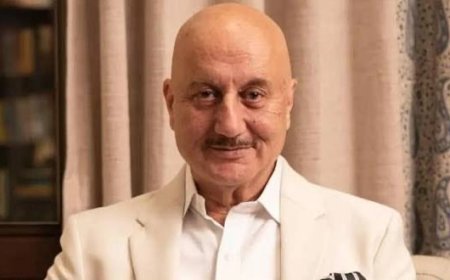
In the landscape of modern entertainment, comedy is frequently mistaken for an easy genre that simply requires exaggerated gestures and loud dialogue delivery. However, seasoned actor Deepakk Dutta, who currently plays Jeevan Ahuja in Netflix’s trending family drama Daadi Ki Shaadi, believes that crafting genuine humor is actually one of the most demanding tasks an actor can undertake. Having worked across diverse projects including films like M.S. Dhoni: The Untold Story, Haasil, Bhagat Singh, and Dil Kabaddi, alongside prominent television shows such as Na Umr Ki Seema Ho, Gupta Brothers, and Kahaani Ghar Ghar Kii, Dutta brings decades of practical experience to his craft and holds a firm stance on how comedic timing should be approached.
Reflecting on his experience with Daadi Ki Shaadi, Dutta emphasized that the success of comic timing depends heavily on context rather than physical antics or forced gags. He noted that comedy requires a completely distinct mindset compared to dramatic roles, primarily because trying to manufacture laughs almost always backfires. Instead of relying on slapstick tropes, he strongly favors situational comedy, where the humor emerges naturally from the circumstances surrounding the characters. For him, a well-written script provides the framework, and the actor’s primary responsibility is to remain believable within that framework rather than pushing explicitly for a punchline.
This philosophy was central to how he approached his character, Jeevan Ahuja. Throughout the narrative, Jeevan remains a stern, frustrated, and thoroughly serious individual. Rather than breaking character to deliver deliberate jokes, Dutta allowed the absurdity of the situations around Jeevan to create the comedic effect. The contrast between a character taking his immediate reality with absolute gravity and the chaotic events unfolding around him is precisely what resonates with viewers. According to Dutta, the key lies in restraint—the more an actor trusts the situational writing to carry the humor, the more impactful and relatable the scene becomes for the audience.
Dutta pointed out that this restraint is the core reason Daadi Ki Shaadi managed to strike a strong chord with viewers across platforms. When performers over-exert themselves in an attempt to be funny, the performance loses its authenticity, making it difficult for the audience to stay invested in the story. Honesty in performance creates an emotional anchor, allowing viewers to see real human behavior rather than an actor putting on a show. He highlighted that while the film's title might suggest a light, straightforward comedy at first glance, the underlying narrative offers a genuine portrayal of familial relationships and conflict that goes much deeper than surface-level entertainment.
Generous with his praise for the creative team behind the project, Dutta was quick to attribute the positive reception of his character to the writing room. In his view, an actor can only execute what is effectively built on paper, and well-constructed dialogue combined with logical character arcs gives performers the freedom to play their roles naturally. This collaborative mindset reflects his broader perspective on performance art: whether preparing for an intensely emotional sequence or a lighthearted moment, an actor should refrain from treating genres with different levels of seriousness. For Dutta, every scene demands the exact same commitment to truthfulness.
Ultimately, Dutta’s approach to acting boils down to a single guiding principle—letting the character flow organically without forcing the moment. By focusing entirely on the character's journey, the narrative context, and the immediate environment, he aims to react as if the events were transpiring in real life. Trying to push a performance beyond its natural rhythm creates friction, whereas allowing the scene to unfold naturally creates an authentic connection with the viewer. For an actor with an extensive filmography across cinema, television, and digital platforms, maintaining this commitment to realism remains the most reliable way to create memorable screen work.