
































Protecting the Faith of Young India: Actor Arjun Bijlani Demands Absolute Transparency and Fairness Amid Ongoing NEET Protests
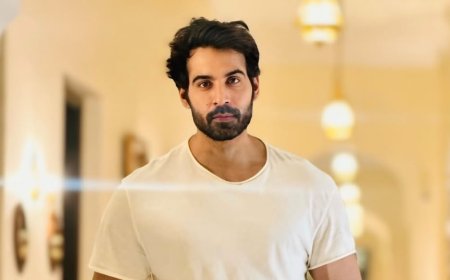
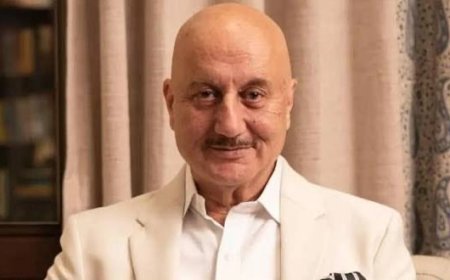
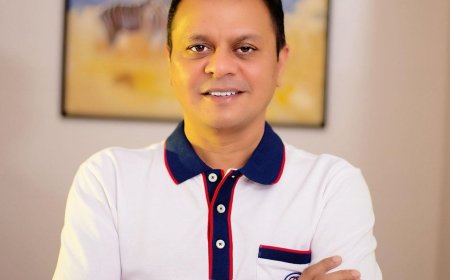
Prominent television and film actor Arjun Bijlani has extended his strong support to medical aspirants protesting nationwide over NEET examination irregularities, emphasizing that protecting student trust is vital for the nation's future.
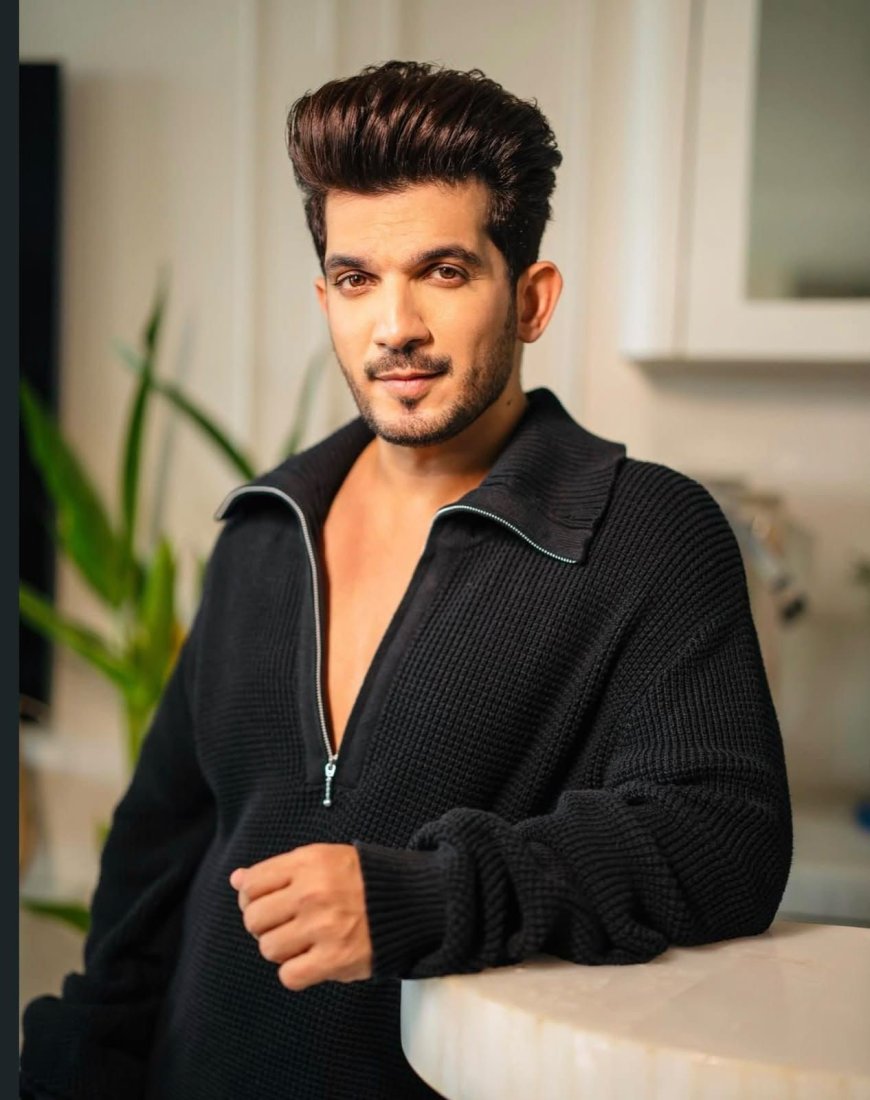
The ongoing national controversy surrounding the NEET entrance examination has drawn widespread concern from various sections of society, with prominent media personalities stepping forward to voice solidarity with affected students. Popular television and film actor Arjun Bijlani has publicly addressed the ongoing student demonstrations, advocating for immediate sincerity, absolute operational transparency, and open institutional communication. Emphasizing that the dispute transcends administrative protocols, Bijlani highlighted that the core challenge lies in restoring the compromised faith of millions of young aspirants across the country.
Reflecting on the emotional and psychological toll inflicted on young aspirants and their families, Bijlani noted that when thousands of students take to the streets to raise their collective voice, state authorities must listen with empathy and gravity. He observed that even a minor suspicion of process manipulation or system vulnerability in an examination of this magnitude inevitably induces severe anxiety and uncertainty among households across the nation. For the actor, the immediate administrative priority must pivot away from defensive postures toward an uncompromised search for truth and total operational clarity.
Drawing attention to the immense personal cost borne by competitive exam candidates, Bijlani emphasized that clearing milestones like NEET requires years of rigorous academic preparation, intense personal sacrifice, and financial commitment from families. He asserted that every candidate deserves an absolute guarantee that their dedicated efforts will be evaluated with complete fairness and integrity. No student, he insisted, should be left feeling that their hard-earned professional trajectory was altered or derailed by external circumstances entirely beyond their control.
Advocating for an empathetic administrative approach, the actor urged authorities to replace confrontation with constructive dialogue and timely executive action. He highlighted that any decision implemented by governing bodies must serve to rebuild fractured trust and offer aspirants unambiguous assurance that merit remains respected in the national testing framework. Honest communication, according to Bijlani, is the only sustainable pathway to reassuring young citizens that their dedicated preparation is valued by the state.
Concluding his statement, Bijlani underscored the broader socio-economic implications of the crisis, reminding public institutions that today’s medical aspirants represent the future doctors, healthcare specialists, and scientific researchers who will safeguard the nation. Protecting their institutional trust, therefore, remains a collective responsibility that affects the country as a whole. Expressing hope for a swift, unbiased resolution, the actor reiterated that justice must prevail so that every deserving student feels their voice was heard and their future secured.