







































Union Education Minister Dharmendra Pradhan Resigns Amid Widespread NEET Exam Controversies and Student Protests
Union Education Minister Dharmendra Pradhan has resigned from his post amidst nationwide protests over the NEET-UG exam leak controversy, stepping down to maintain transparency and resolve student unrest across the nation.
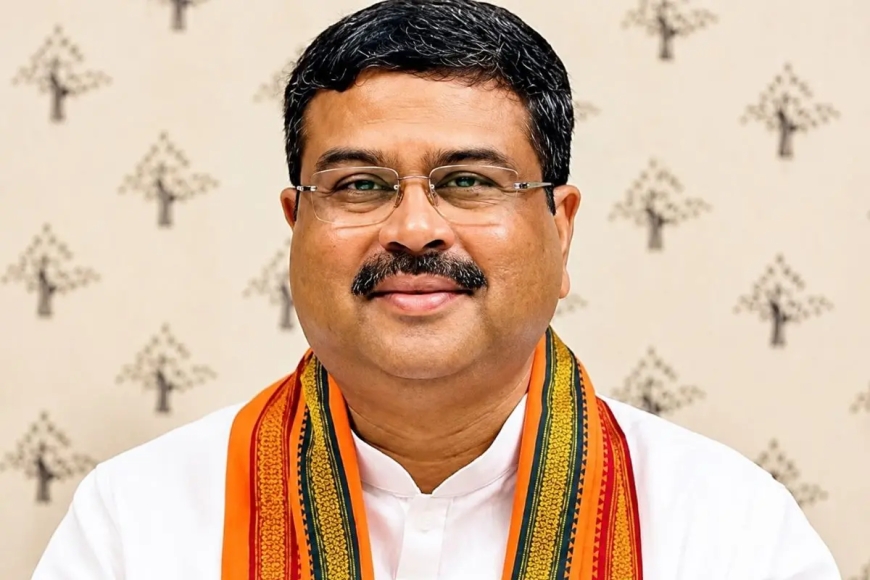
In a major political development impacting the country's academic landscape, Union Education Minister Dharmendra Pradhan has tendered his resignation from the Union Cabinet. The minister submitted his resignation letter directly to Prime Minister Narendra Modi following weeks of intense public scrutiny, administrative pressure, and widespread student demonstrations regarding irregularities in national competitive examinations. The ongoing controversy surrounding the NEET-UG medical entrance examinations had sparked significant outrage among students, parents, and educational institutions across the country, turning into a focal point of national debate.
Dharmendra Pradhan shared details of his resignation publicly, releasing a copy of his letter submitted to the Prime Minister. In his statement, Pradhan highlighted his four-decade-long career in public service, reaffirming his deep commitment to student welfare, academic integrity, and systematic educational reforms. He noted that the primary foundation of a prosperous nation lies in a transparent, dependable, and trustworthy educational framework. However, the administrative lapses and allegations of paper leaks during the May entrance exams had generated severe dissatisfaction and anxiety among young aspirants nationwide.
Elaborating on the rationale behind stepping down, the former minister explained that the prevailing situation was being exploited by various factions to create systemic instability and confusion among the youth. He emphasized that his decision to step aside voluntarily was taken to ensure that the legal and administrative processes remain completely uncompromised, allowing a fair resolution without jeopardizing the future of deserving candidates. Pradhan underscored that he took moral responsibility for the administrative shortcomings from the outset, pointing to the immediate steps taken, including handing over the investigation to the Central Bureau of Investigation (CBI).
The crisis traces back to the conduct of the NEET-UG examinations in May, where allegations of paper leaks and mass cheating prompted rigorous legal battles and nationwide outrage. In response to the growing discontent, the central government initiated high-level investigations, canceled compromised test centers, and rescheduled examinations for affected candidates. Furthermore, the ministry announced structural changes to the National Testing Agency (NTA), deciding to transition the nationwide medical entrance test entirely to a Computer-Based Test (CBT) format starting from the upcoming academic cycle to prevent physical paper leaks.
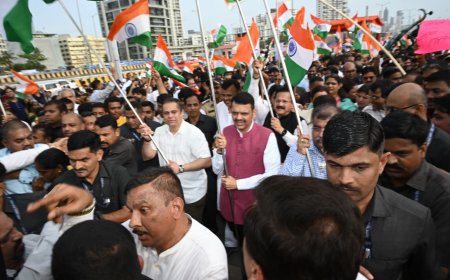
Despite the corrective steps implemented by the ministry, student unions and youth organizations maintained a continuous presence on the streets. Prolonged sit-in demonstrations and protests at major spots like Delhi's Jantar Mantar brought together student delegations, social activists, and opposition leaders demanding structural accountability and leadership changes within the education ministry. The persistent movement highlighted deep-seated anxieties among competitive exam aspirants regarding meritocracy and transparency in national testing procedures.
The developments hold major significance for thousands of students hailing from Uttarakhand and the broader Devbhumi region who prepare for national-level entrance examinations every year. Aspirants from rural and hilly belts spend years preparing for competitive entrance tests, making system integrity a matter of paramount importance for the region. The demand for strict accountability, robust exam security, and complete transparency has resonated strongly among parents and educators across Northern India who seek long-term stability in the entrance evaluation system.
Dharmendra Pradhan's departure marks a critical juncture for the central government and the Ministry of Education as it moves to restore public trust in national examination bodies. With the resignation submitted, attention now turns to the Prime Minister's Office regarding the appointment of a new Education Minister. The incoming leadership faces the immediate task of overhauling the National Testing Agency, restoring confidence among millions of young aspirants, and ensuring that upcoming national examinations are conducted with absolute integrity and seamless execution.