









































Beyond the Screen: Bharat Jain on Why the World Needs to Stop Judging Gen Z and Start Listening
Author and podcast host Bharat Jain opens up about his debut book Gen-Z: An Incomplete Book, shedding light on the silent struggles, pressures, and unseen stories of today's youth.
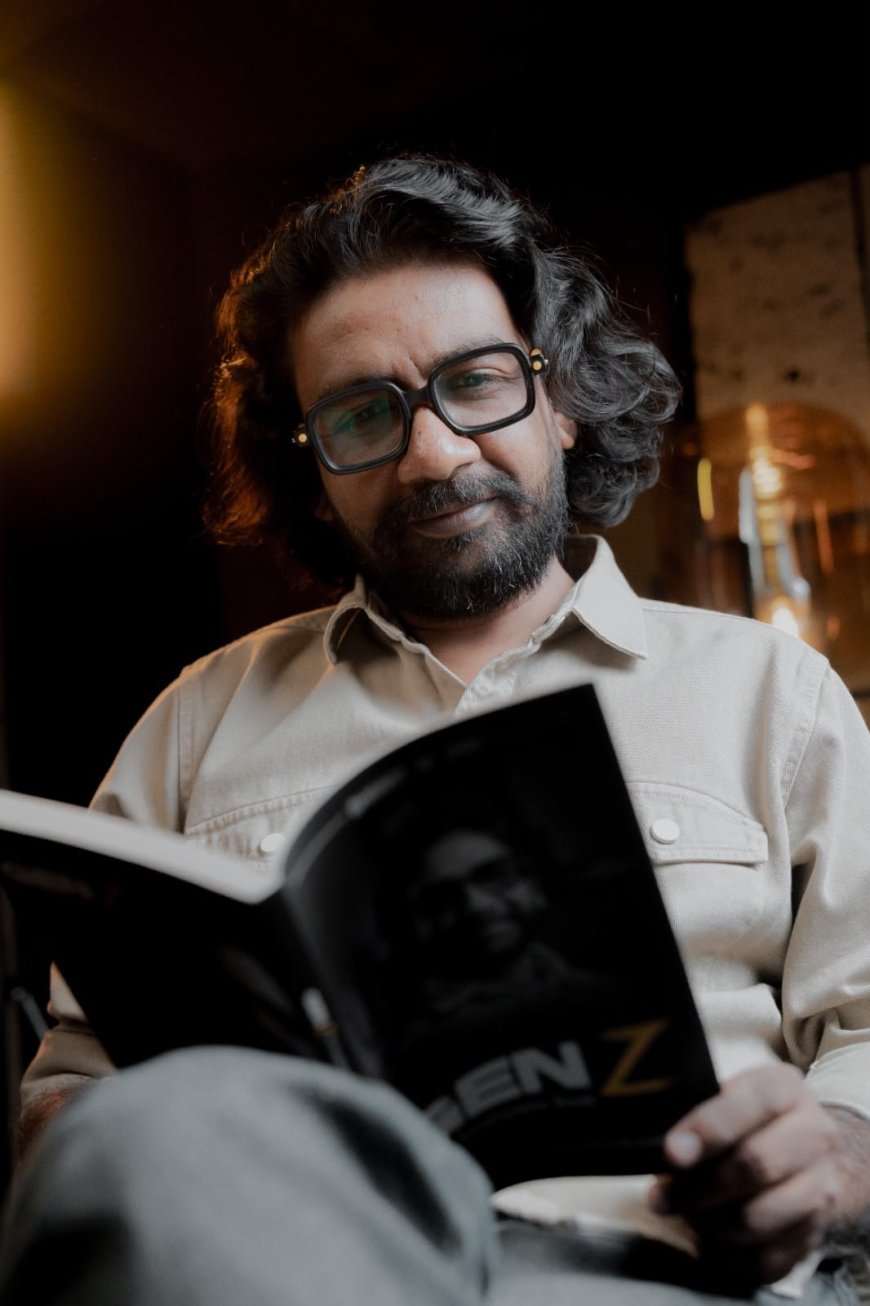
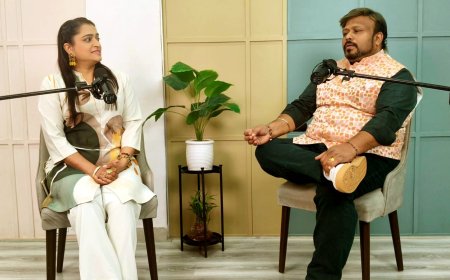
In a society increasingly obsessed with defining and dissecting younger generations, entrepreneur and podcast host Bharat Jain offers a starkly different perspective. Self-identified as "The Heartspoken Storyteller," Jain has carved out a unique space for himself by leaning into conversations about raw, unexpressed emotions rather than traditional motivational tropes. Preferring the simple ethos of speaking straight from the heart, his long-standing engagement with real people and their lived experiences forms the core foundation of his creative work.
That deep-seated habit of active observation eventually materialized into his debut literary offering, Gen-Z: An Incomplete Book (Gen-Z: Ek Adhuri Si Kitaab). Rather than relying on detached analytical metrics or societal tropes, the narrative took root through years of organic interactions with the younger members of his own family and immediate community. Over time, Jain noted a recurring disconnect: while elder cohorts endlessly discuss, criticize, or debate Generation Z, genuine efforts to sit down and actually listen to them remain strikingly rare.
It was precisely within this communicative void that the motivation to write took shape. Jain points out that mainstream commentary tends to hyper-fixate on external behaviors—such as screen time habits, career trajectories, and lifestyle preferences—while overlooking the psychological landscape behind those choices. The hidden pressures of modern life, quiet identity crises, pervasive loneliness, and unarticulated aspirations experienced by youth are frequently masked by digital facades, prompting a compelling need for empathetic exploration rather than swift condemnation.
The book's title itself serves as an intentional commentary on the fluid nature of youth. By framing Generation Z as an "incomplete story," Jain emphasizes that these young individuals are still actively navigating their identities, core values, and places within the global structure. Because their personal trajectories are dynamically evolving, attempting to pass definitive judgement on their life choices at this juncture represents a fundamental misunderstanding of personal development and growth.
Distinct from typical self-help literature or instructional manuals, the text makes no attempt to dictate how young people should lead their lives. Instead, the work functions as a bridge designed to foster emotional resonance. While curated directly for Gen Z readers seeking validation of their inner experiences, it holds equal relevance for parents, educators, and leaders who aspire to cultivate deeper, non-judgmental relationships across generational lines.
Jain remains transparent regarding the origin of his insights, acknowledging that while he does not have Gen Z children of his own, his authority comes strictly from immersive presence and active listening. His ultimate goal for the publication rests on a singular, straightforward hope: that young readers feel genuinely seen, while older readers feel prompted to pause and listen before passing judgment. If the work succeeds in sparking even one meaningful, compassionate dialogue between generations, its core objective will have been fully realized.