










































Corruption Storm in Nainital: Commission Allegations Echo in Bhimtal-Dhari Kshetra Panchayat Meeting
Public representatives created an uproar during the Bhimtal and Dhari block Kshetra Panchayat meeting, lodging serious corruption charges against local department officials over alleged commission demands for sanctioning rural development projects.
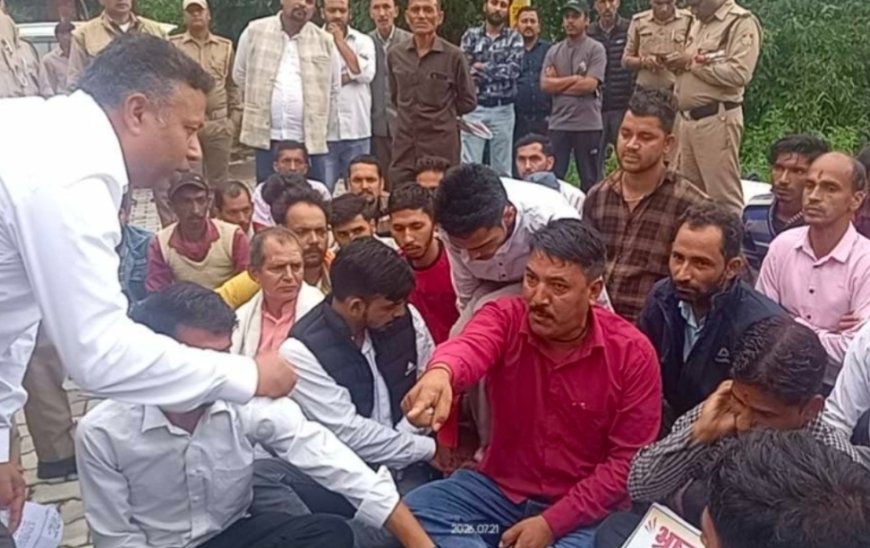
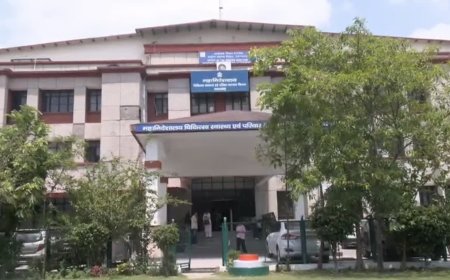
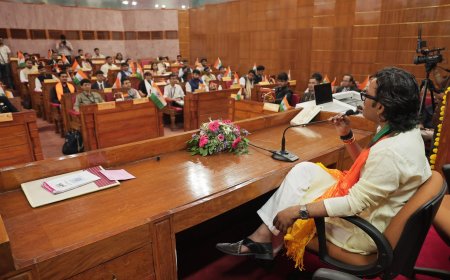
The governance structure of local self-government in Uttarakhand faced an uncomfortable moment of public reckoning during the recent Kshetra Panchayat meeting organized for the Bhimtal and Dhari block regions in Nainital district. Public representatives, including Gram Pradhans and Block Development Council (BDC) members, assembled at the block headquarters to voice their deep-seated frustration regarding the administrative functioning of local development departments. Instead of remaining confined to routine discussions on rural infrastructure and budgetary allocations, the assembly quickly turned into a volatile forum of protest as public representatives openly accused officials of widespread corruption, red tape, and systemic commission-taking. The heated atmosphere highlighted growing friction between grassroots elected leaders and ground-level department officials, exposing significant gaps in governance across the hill blocks.
During the proceedings, several elected members stepped forward with specific allegations detailing how official machinery demands cutbacks and percentages before approving sanctioned developmental work in rural pockets. Representatives alleged that routine files related to drinking water pipelines, village motor roads, check dams, and sanitation infrastructure are deliberately stalled in administrative offices until a fixed commission is promised or delivered to concerned officials. The public representatives pointed out that such corrupt practices directly siphon off funds meant for rural welfare, forcing contractors to compromise on the structural quality of public works. The explicit nature of these allegations created an uproar within the meeting hall, with members demanding an immediate, independent audit into all recently executed block-level projects.
The bitter confrontation highlights a pressing reality faced by mountain communities in the Kumaon region, where developmental delays carry heavy physical and economic consequences for villagers. Public representatives emphasized that while the state government continuously announces schemes to curb rural migration and improve living standards in hill districts, ground-level implementation remains severely handicapped by bureaucratic rent-seeking. In remote villages across the Dhari and Bhimtal belts, essential drinking water schemes and footpaths remain incomplete for months due to administrative bottlenecks, leaving local residents to navigate daily hardships without basic amenities while funds remain tied up in procedural delays.
Adding fuel to the fire, attendees also raised sharp objections regarding the chronic absenteeism of key departmental heads during crucial local body meetings. Representatives pointed out that senior officials from vital line departments—such as Public Works, Jal Sansthan, Electricity, and Rural Works—frequently send junior subordinates who lack the authority to make binding decisions or answer technical queries raised by the assembly. This habitual avoidance of democratic accountability was cited as a major reason why public grievances raised during previous Kshetra Panchayat sessions remain unresolved year after year. Members collectively warned that if department heads continue to skip mandatory meetings and ignore elected representatives, they will boycott future administrative assemblies and stage demonstrations at district offices.
Responding to the explosive allegations and rising anger in the hall, senior block administrators and presiding officers attempted to restore order by promising a thorough review of the complaints. The Block Development Officer and local administrative heads assured the assembled members that specific, written allegations regarding commission demands or intentional file delays would be investigated with utmost priority. Administrative authorities pledged that any official or employee found guilty of extortion or dereliction of duty would face strict disciplinary proceedings under relevant administrative rules. Furthermore, instructions were issued to ensure that all ongoing and proposed rural development works undergo rigorous quality inspections before final payments are disbursed.
The dramatic showdown in the Bhimtal-Dhari Kshetra Panchayat meeting underscores the urgent necessity for transparent governance and institutional accountability in Uttarakhand's Panchayati Raj framework. For local self-governance to meaningfully empower rural populations, administrative mechanisms must operate with complete integrity, treating elected representatives as genuine partners in development rather than obstacles. As the allegations of bribery make waves across Nainital district, local residents and public representatives alike are watching closely to see whether administrative promises translate into concrete corrective action, or whether the culture of commission-taking will continue to shadow rural development across Devbhumi.