



































Supreme Court Hearing on Netaji’s Legacy: Daughter Anita Bose Pfaff Files Petition to Repatriate Father’s Ashes from Japan
In an emotional legal bid, Netaji Subhas Chandra Bose's 82-year-old Germany-based daughter, Anita Pfaff, has directly petitioned the Supreme Court of India seeking directives to the Central Government to bring Netaji's ashes back from Tokyo's Renko-Ji Temple.
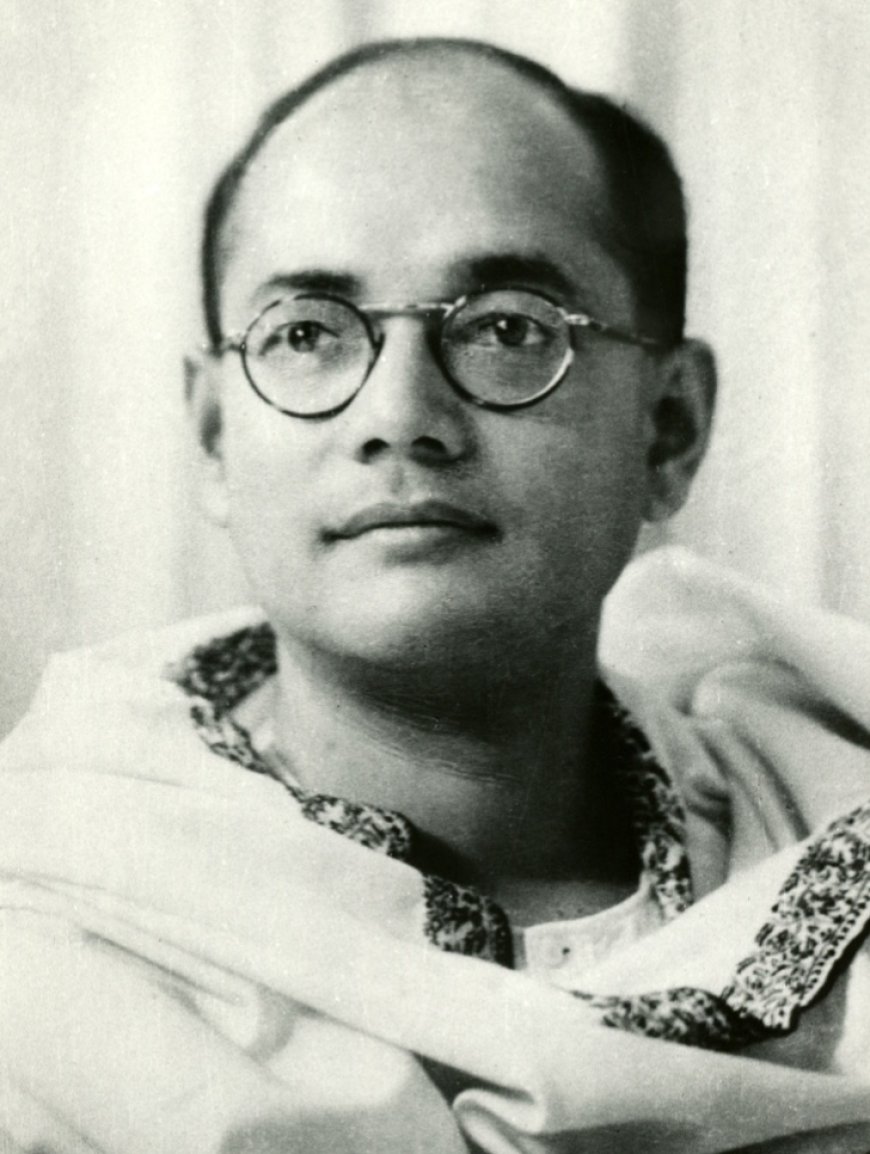
Decades after the tragic disappearance of one of India's most venerated freedom fighters, the quest to bring his mortal remains back home has reached the highest judicial forum of the country. Anita Bose Pfaff, the Germany-based octogenarian daughter and sole living direct descendant of Netaji Subhas Chandra Bose, has filed a formal petition in the Supreme Court of India. The plea explicitly requests the apex court to direct the Union Government to repatriate Netaji’s preserved ashes—currently kept at the Renko-Ji Temple in Tokyo, Japan—so that his family can perform his final rites with absolute dignity on Indian soil.
This definitive legal move follows a previous petition filed by Netaji’s grandnephew, Ashis Ray. During those initial proceedings, a three-judge Supreme Court bench led by Chief Justice of India Surya Kant (alongside Justices Joymalya Bagchi and Vipul M. Pancholi) acknowledged the monumental historic significance of Netaji’s sacrifices but indicated that a formal plea ought to come directly from his primary legal heir rather than secondary relatives. Heeding the court's observation, Dr. Anita Pfaff formally stepped forward as the main petitioner to seek a time-bound, final decision from the Indian government.
In her petition, drafted and settled by Senior Advocate Dr. Abhishek Manu Singhvi, Dr. Pfaff highlighted what she termed as India's "prolonged failure" to make a reasoned, time-bound decision regarding the return of the ashes attributed to Netaji. The petition emphasizes that every Indian head of state visiting Japan over the decades has paid respects at the Renko-Ji temple, underscoring the official recognition given to the sacred site. The plea asserts that keeping the freedom fighter's remains abroad amounts to a continuous state of "posthumous exile," depriving the family and the nation of a final closure.
During the initial reading of the petition, the bench presided over by CJI Surya Kant remarked that "there is gross delay" in resolving the long-standing issue. The court, however, had to briefly adjourn the matter due to the absence of arguing counsel during the call. The alternative prayer in Pfaff's petition asks that if the Union Government is unable to directly repatriate the remains itself, it should legally and diplomatically facilitate her to independently bring her father’s ashes back from Japan to conduct the religious last rites.
The controversy surrounding Netaji’s reported death in a 1945 plane crash in Taihoku (modern-day Taipei) has remained one of the most debated chapters in modern Indian history, dividing public opinion and even members of the extended Bose family. However, for Dr. Anita Pfaff, securing her father's ashes from Tokyo remains a deeply personal and moral crusade. As the Supreme Court considers this high-profile petition, millions of Indians across the globe are watching closely to see whether one of the country's greatest national heroes will finally receive a fitting, dignified farewell in the homeland he gave everything to liberate.