






















I No Longer Romanticise Large Circles": Somy Ali Speaks Candidly on Friendship, Industry Transactions, and Her NGO 'No More Tears'
Former actress and 'No More Tears' founder Somy Ali shares an honest perspective on why she prefers a handful of genuine relationships over large social circles, drawing from her personal life and advocacy work.
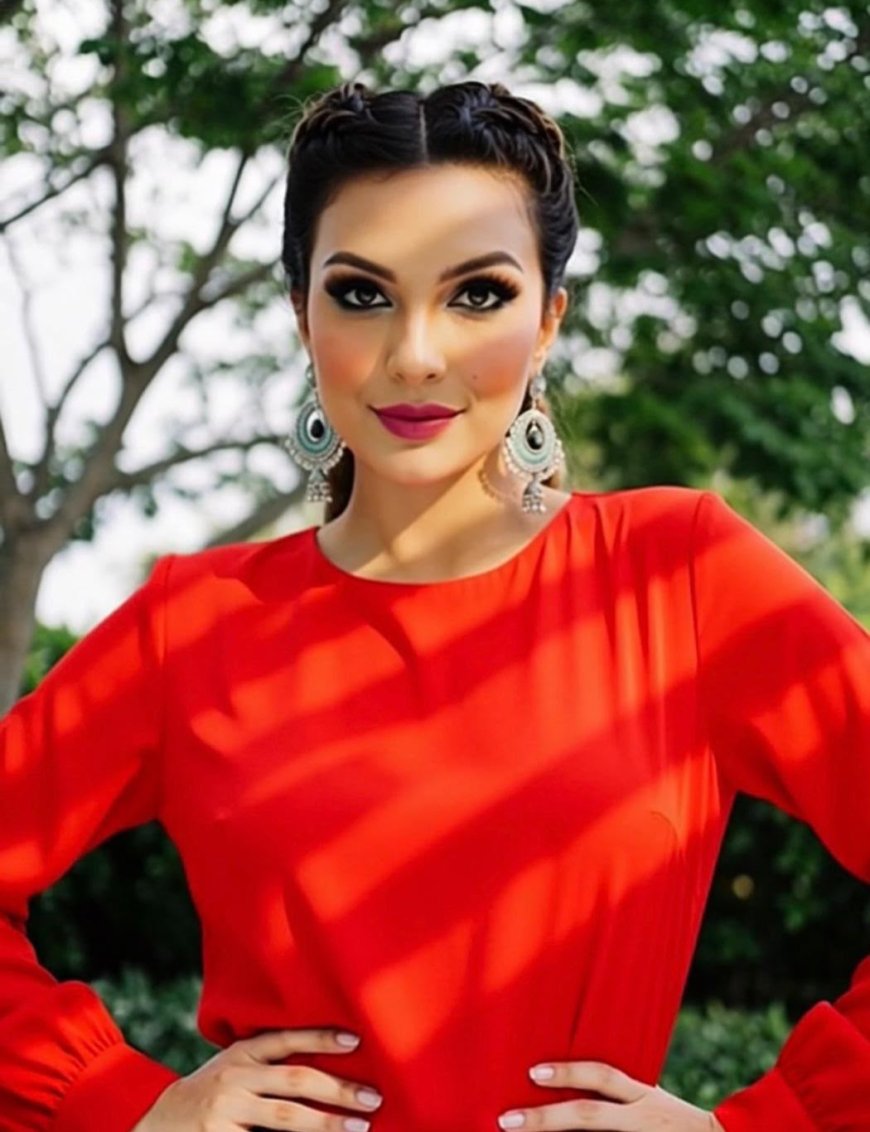
In an entertainment culture where success is often evaluated by the size of one’s social network and public visibility, actor, filmmaker, and activist Somy Ali holds a distinctly pragmatic view on relationships. Having spent years working in mainstream cinema before transitioning into humanitarian work through her Florida-based non-profit organization No More Tears, Ali has experienced both the heights of media attention and the harsh realities of personal adversity. In a recent interaction, she opened up about why she no longer values expansive social circles, emphasizing that true loyalty and presence during difficult times remain remarkably rare qualities.
Reflecting on her preference for a small, tight-knit group of friends, Ali revealed that she has never believed in surrounding herself with a large entourage. Over time, even the expectation of maintaining a few dependable connections has proven challenging, as personal and professional experiences continuously highlighted human inconsistency. She observed that people frequently align themselves with individuals only as long as the relationship serves a functional or social purpose, abandoning connections the moment circumstances change or difficulty arises.
For Ali, this understanding of human behavior was sharpened not only through her years in the film industry but also through her direct work with survivors of abuse and human trafficking. Through No More Tears, an organization dedicated to providing emergency support, housing, legal assistance, and rehabilitation to domestic violence victims, she has witnessed firsthand how isolation often accompanies personal crisis. Seeing survivors navigate their darkest moments largely abandoned by those who once claimed to care stripped away any romanticized notions she previously held about large social networks.
When addressing whether she had friends who consistently stood by her during major life transitions—such as leaving abusive environments or rebuilding her life from scratch—Ali offered a remarkably honest reflection. She noted that during her most vulnerable phases, the majority of acquaintances simply vanished. Rather than dwelling on individual actions, she found that the silence and absence of others taught her fundamental lessons about self-reliance. That acute sense of isolation ultimately served as a major motivation behind building No More Tears, ensuring that survivors entering her care would not have to face systemic or personal crises completely alone.
Discussing the nature of friendships within the entertainment industry specifically, Ali characterized the field as inherently transactional. Given that media industries operate primarily on power, access, and current visibility, relationships often fluctuate based on an individual's professional standing. When an artist is visible and thriving, social proximity is readily offered; however, when an individual faces personal struggles or steps away from the limelight, the room empties quickly. Stepping away from mainstream acting allowed her to see these dynamics clearly, helping her distinguish between genuine care and superficial networking.
Despite managing demanding workdays that involve responding to crisis situations and providing hands-on support to survivors, Ali maintains that making time for meaningful relationships is purely a matter of personal priority. For her, genuine presence does not require endless social engagements or constant conversations; rather, it manifests as consistent truth, quiet support, and an authentic willingness to show up when there is no social or professional capital to be gained.
Ultimately, Ali’s journey from nineties commercial cinema to global humanitarian advocacy has shaped a deeply realistic, pragmatic approach to life. By relinquishing expectations of unconditional loyalty from broad social circles, she protects her emotional well-being while focusing her energy where it matters most: delivering direct, life-saving assistance to those who truly need it through her ongoing advocacy work.